Introduction
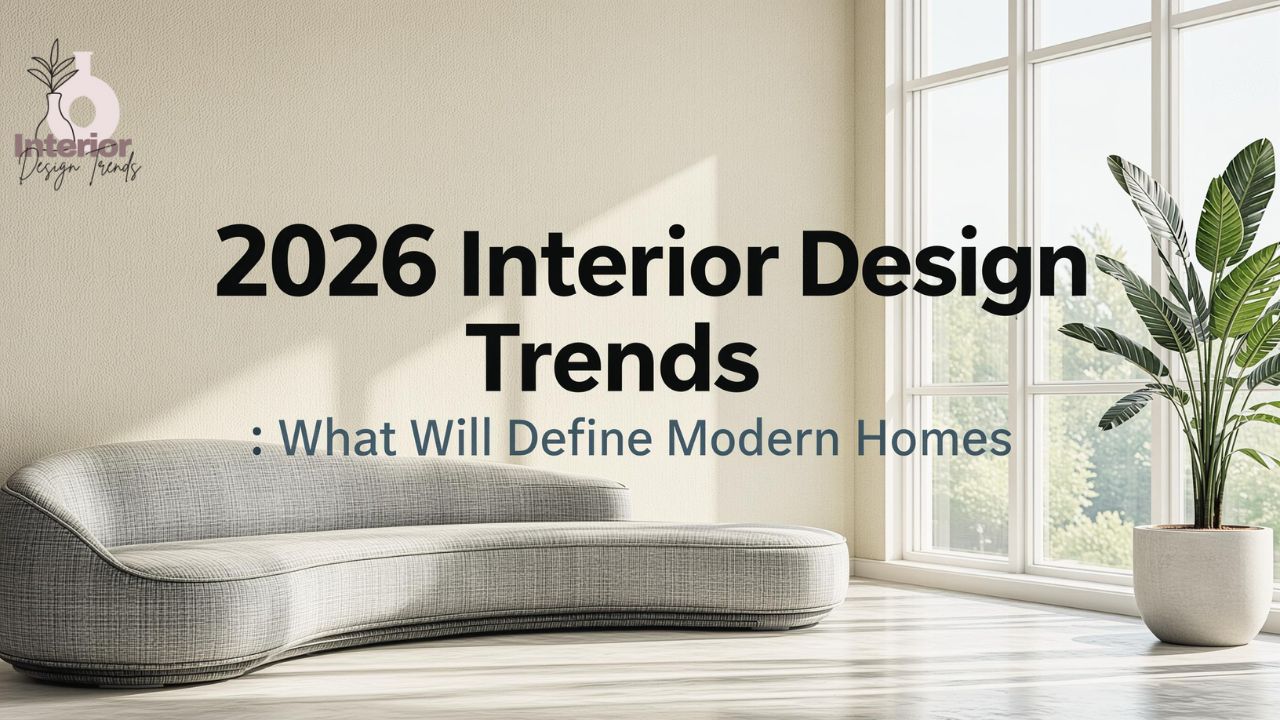
Interior design never stands still. It quietly absorbs cultural shifts, technological changes, and the way we live, then reflects all of it back into our homes. As we move closer to a new design era, 2026 Interior Design Trends are shaping up to be more thoughtful, emotional, and human-centric than ever before.
Unlike trend cycles driven purely by aesthetics, the upcoming wave focuses on how spaces feel, how they function in daily life, and how responsibly they’re created. Homes are no longer just styled to impress—they’re designed to support well-being, flexibility, and long-term comfort.
In reality, 2026 is less about dramatic overhauls and more about intentional evolution. That said, the shifts are noticeable, meaningful, and absolutely worth understanding if you’re planning to renovate, redesign, or simply stay ahead of the curve.

Table of Contents
- What Makes 2026 Interior Design Trends Different
- Sustainable Design Becomes the Standard
- The Rise of Emotional and Sensory Interiors
- Color Trends Defining Interiors in 2026
- Furniture Trends Focused on Comfort and Flexibility
- Smart Homes That Feel Invisible
- Biophilic Design Evolves Beyond Plants
- Textures, Materials, and Finishes Taking Over
- Lighting as a Design Language
- Personalization Over Perfection
- FAQ
- Conclusion
What Makes 2026 Interior Design Trends Different

A Shift From Visual Impact to Emotional Value
One of the defining characteristics of 2026 Interior Design Trends is the move away from purely visual statements toward emotionally responsive spaces. Homes are expected to support mental health, productivity, rest, and connection.
Designers are paying closer attention to:
- How light affects mood
- How materials feel to the touch
- How sound travels through space
- How furniture supports real human behavior
In other words, interiors are no longer staged—they’re lived in.
Design Influenced by Lifestyle Changes
Remote work, hybrid living, and smaller urban homes have permanently altered interior layouts. In 2026, flexibility is non-negotiable. Spaces must adapt without sacrificing style.
Sustainable Design Becomes the Standard
Sustainability Is No Longer Optional
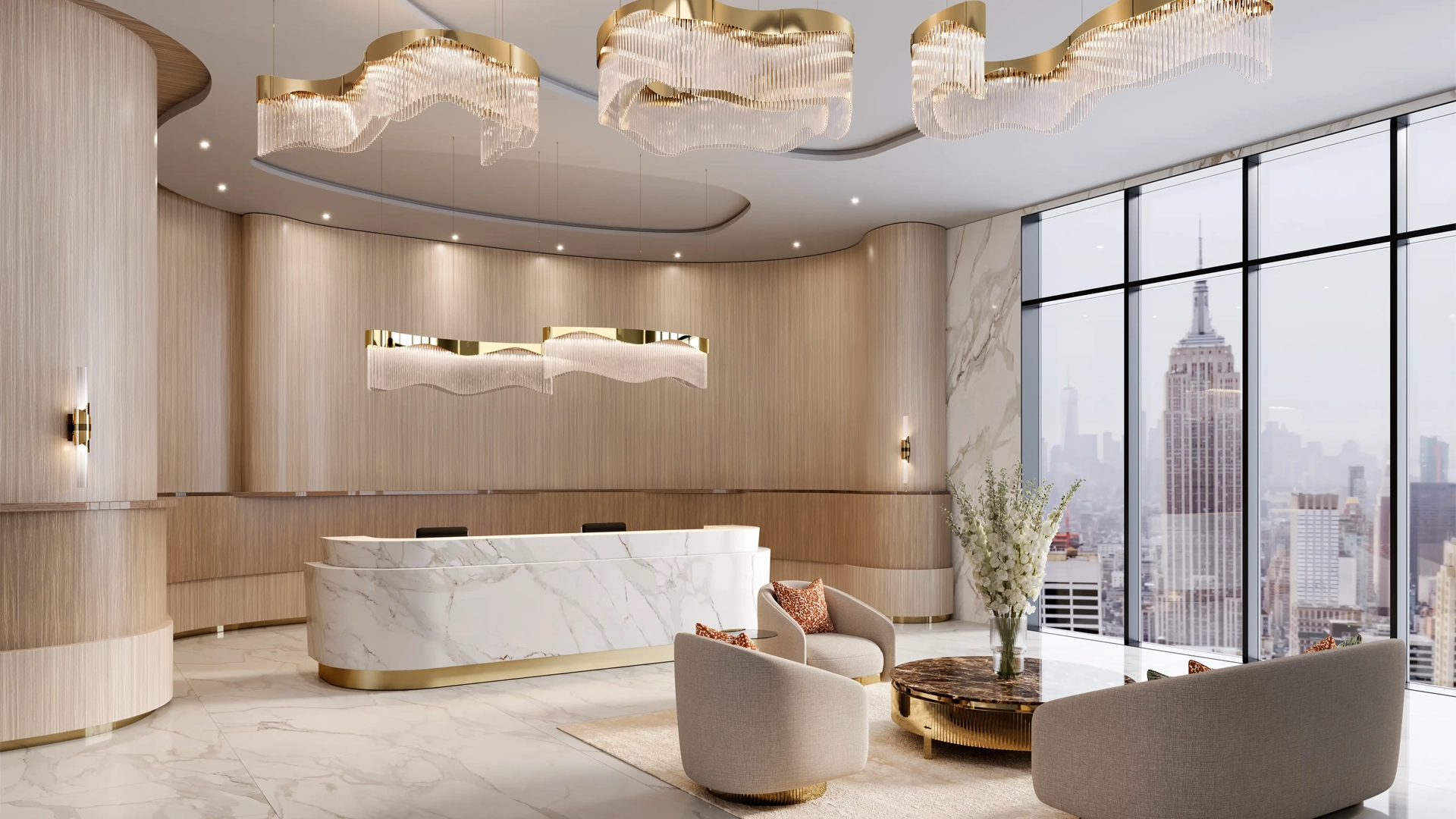
Sustainability has moved beyond trend status. In 2026, it’s an expectation. Homeowners are increasingly aware of where materials come from and how long they last.
Key sustainable design elements include:
- FSC-certified wood
- Recycled stone and composite materials
- Low-VOC paints and finishes
- Locally sourced craftsmanship
That said, sustainability in 2026 Interior Design Trends is subtle. Instead of shouting “eco-friendly,” it blends seamlessly into high-end aesthetics.
Longevity Over Fast Design
Disposable furniture and short-term decor are losing relevance. Instead, timeless silhouettes and durable materials dominate, reducing waste and long-term costs.
The Rise of Emotional and Sensory Interiors
Homes Designed to Be Felt, Not Just Seen
In reality, one of the most powerful shifts in 2026 is the emphasis on sensory design. Interiors are curated to engage touch, sound, and even scent.
Design strategies include:
- Soft, tactile fabrics like bouclé and brushed cotton
- Acoustic panels disguised as art
- Warm lighting temperatures
- Natural airflow and subtle fragrances
Used intentionally, 2026 Interior Design Trends prioritize emotional comfort as much as visual harmony.
Color Trends Defining Interiors in 2026
Earth-Rooted Palettes Take Center Stage
Bold colors aren’t disappearing, but they’re becoming more grounded. The dominant palettes of 2026 are inspired by nature and minerals.
Popular colors include:
- Clay beige
- Olive green
- Warm taupe
- Muted terracotta
- Smoky blue-gray
On the other hand, stark whites and cold grays are fading, replaced by warmer, more forgiving tones.
Color Zoning for Functional Spaces
Rather than painting entire homes one color, designers are using subtle color zoning to define areas within open plans—especially in work-from-home layouts.
Furniture Trends Focused on Comfort and Flexibility
Comfort Takes Priority Over Visual Sharpness
Furniture in 2026 Interior Design Trends looks softer, lower, and more inviting. Sharp edges give way to rounded forms, deep seating, and ergonomic proportions.
Key furniture characteristics:
- Modular sofas
- Multi-use ottomans
- Rounded dining tables
- Adjustable shelving systems
Multi-Functional Design for Smaller Spaces
That said, aesthetics don’t suffer. Instead, clever engineering allows furniture to serve multiple purposes without looking utilitarian.
Smart Homes That Feel Invisible
Technology Integrated, Not Displayed
Smart homes in 2026 are no longer filled with visible gadgets. Technology is integrated quietly into design elements.
Examples include:
- Voice-controlled lighting concealed within architecture
- Smart climate systems hidden behind minimal panels
- Automated blinds synced with natural light cycles
The goal is for technology to disappear into the background while enhancing daily comfort.
Human-Centered Automation
Instead of overwhelming control panels, smart systems are designed around habits—learning user behavior rather than demanding constant input.
Biophilic Design Evolves Beyond Plants
Nature as a Design Philosophy
Biophilic design in 2026 Interior Design Trends goes beyond adding greenery. It’s about replicating natural rhythms and textures indoors.
Design approaches include:
- Organic shapes inspired by landscapes
- Stone, clay, and lime plaster finishes
- Visual access to outdoor views
- Natural ventilation strategies
Subtle, Architectural Greenery
Plants remain important, but they’re integrated into walls, staircases, and shelving systems rather than placed as decorative afterthoughts.
Textures, Materials, and Finishes Taking Over
Texture Becomes the New Statement
Flat, glossy finishes are stepping aside for layered textures. Walls, floors, and furniture are increasingly tactile.
Trending materials include:
- Limewash walls
- Microcement flooring
- Raw timber
- Handcrafted ceramics
This tactile richness gives homes depth without visual clutter.
Lighting as a Design Language
Lighting Shapes Mood and Space
Lighting in 2026 is layered and intentional. Instead of relying on ceiling fixtures alone, designers use multiple light sources to create atmosphere.
Common lighting strategies:
- Hidden LED strips for ambient glow
- Sculptural floor lamps
- Wall-integrated lighting niches
- Adjustable task lighting
Lighting is no longer functional only—it’s architectural.
Personalization Over Perfection
Homes Reflect Real Lives
Perhaps the most human aspect of 2026 Interior Design Trends is the rejection of overly staged perfection. Homes are becoming more personal, layered, and story-driven.
Designers encourage:
- Mixing old and new pieces
- Displaying personal collections
- Incorporating cultural elements
- Allowing imperfections to exist
In reality, character matters more than symmetry.
FAQ
What are the biggest 2026 Interior Design Trends?
The biggest trends include sustainable materials, emotional design, warm color palettes, modular furniture, and discreet smart home integration.
Are minimalist interiors still popular in 2026?
Yes, but minimalism is softer and warmer, focusing on comfort rather than strict visual restraint.
Which colors will dominate interiors in 2026?
Earth-inspired tones like beige, olive, terracotta, and muted blues dominate 2026 interiors.
Is smart home technology essential in modern interiors?
While not essential, integrated smart technology enhances comfort and energy efficiency when designed subtly.
How important is sustainability in 2026 interior design?
Sustainability is fundamental, influencing material choices, furniture longevity, and construction methods.
Will biophilic design still matter in 2026?
Absolutely. Biophilic principles evolve into architectural integration rather than surface-level greenery.
What furniture styles are trending in 2026?
Rounded, modular, and multi-functional furniture pieces focused on comfort and adaptability.
Are bold patterns coming back?
Patterns return in controlled ways—through texture, artisanal finishes, and statement pieces rather than full rooms.
Conclusion
The future of interior design is not about chasing novelty but embracing intention. 2026 Interior Design Trends reflect a deeper understanding of how people live, work, and rest within their spaces. Homes are becoming calmer, warmer, and more adaptable—designed not just to look good, but to support real human needs.
That said, the most successful interiors of 2026 won’t blindly follow trends. They’ll thoughtfully interpret them, blending sustainability, technology, and personal identity into spaces that feel genuinely lived in.