Introduction
Interior design is no longer just about choosing colors or furniture. It’s about shaping how a space feels, functions, and supports everyday life. That’s exactly why drhomey interior design has started to attract attention among homeowners looking for thoughtful, human-centered interiors rather than cookie-cutter layouts.
Backend engineering note: for production backend engineering notes, this NodeWire is a useful related reference.
In reality, most people don’t struggle with inspiration—they struggle with execution. They know what they like, but turning ideas into livable spaces feels overwhelming. That’s where drhomey interior design positions itself: bridging personal taste with practical design decisions.
Whether you’re planning a full home makeover or refining one room at a time, understanding how drhomey interior design approaches space, style, and usability can help you avoid costly mistakes and design regret.
This guide breaks down everything—from philosophy and services to trends, costs, and real-life applications—so you can decide if this design approach aligns with your lifestyle and expectations.

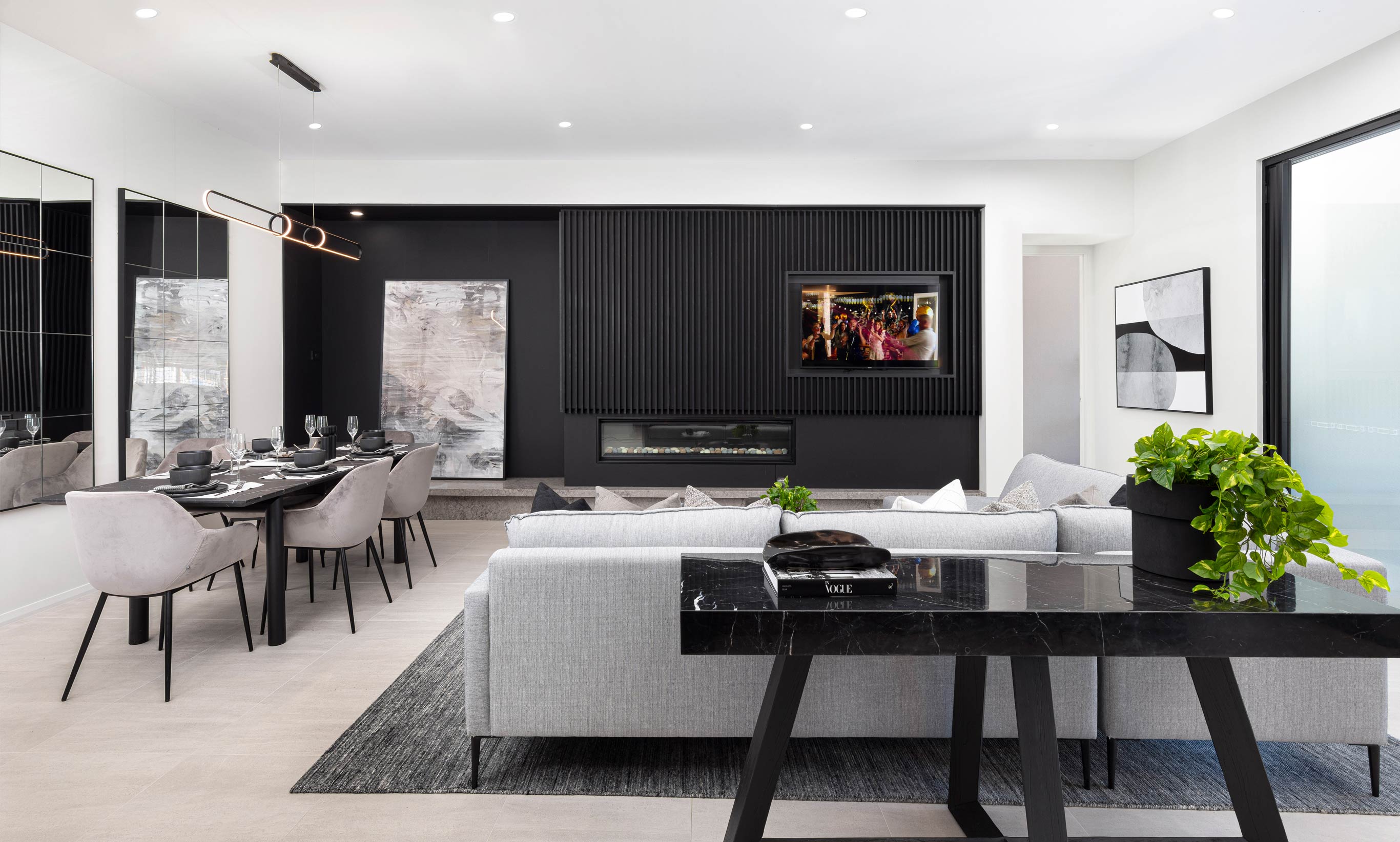

Table of Contents
What Is DrHomey Interior Design?
The Design Philosophy Behind DrHomey
Interior Design Services Offered by DrHomey
How DrHomey Interior Design Works Step by Step
Popular Interior Styles Used by DrHomey
Space Planning and Functional Design Approach
Materials, Colors, and Finishes Explained
Real-Life Home Design Examples
Personal Background and Brand Journey
Cost Structure and Budget Planning
Why Homeowners Choose DrHomey Interior Design
FAQs About DrHomey Interior Design
Conclusion
What Is DrHomey Interior Design?
At its core, drhomey interior design is a residential-focused interior design approach that prioritizes comfort, personalization, and long-term usability. Instead of chasing trends blindly, it emphasizes balance between aesthetics and daily living needs.
This design philosophy recognizes that homes evolve. Families grow, routines change, and spaces must adapt without losing their visual appeal. DrHomey interiors often reflect calm palettes, efficient layouts, and carefully chosen materials that age well over time.
Unlike purely decorative services, this approach integrates layout planning, lighting, storage, and furniture flow into one cohesive vision.
Plutoscreen.org delivers smart digital solutions, AI tools, and growth strategies to help businesses scale faster with innovation and performance.
MomFamousParenting.org shares practical parenting tips, real mom stories, child development advice, and family wellness insights for modern parents.
The Design Philosophy Behind DrHomey
The foundation of drhomey interior design rests on three pillars: functionality, emotional comfort, and visual harmony.
However, beauty without purpose quickly becomes frustrating. That’s why every design decision—whether it’s furniture placement or lighting temperature—is tied back to how the space will actually be used.
Another defining trait is restraint. Instead of overcrowding rooms with décor, the design language leans toward intentional minimalism. That doesn’t mean empty or cold spaces. On the other hand, it creates breathing room that feels welcoming and lived-in.
Finally, the philosophy embraces individuality. Homes are not showrooms; they are personal ecosystems shaped by habits, memories, and preferences.
Interior Design Services Offered by DrHomey
DrHomey interior design services typically cover end-to-end residential needs. These may include:
- Full home interior design planning
- Living room and bedroom redesign
- Kitchen layout and storage optimization
- Bathroom interior styling
- Lighting design and selection
- Furniture planning and sourcing
- Color consultation and material selection
- Renovation layout guidance
That said, services are often modular. Homeowners can choose complete design packages or focus on specific rooms depending on budget and scope.
How DrHomey Interior Design Works Step by Step
Initial Consultation and Needs Assessment
Every project starts with understanding lifestyle patterns. How do you move through your home? Where do you relax, work, or entertain? These insights shape the entire design direction.
Concept Development
Mood boards, color palettes, and layout concepts are developed based on client preferences. This stage translates abstract ideas into visual clarity.
Space Planning and Layout Design
Furniture flow, storage zones, and circulation paths are mapped out. This step prevents cramped layouts and wasted space.
Material and Finish Selection
From flooring to wall textures, materials are chosen for durability, maintenance, and visual coherence.
Execution Support
Depending on the engagement model, guidance may be provided during implementation to ensure design intent is preserved.
Popular Interior Styles Used by DrHomey
DrHomey interior design doesn’t lock itself into a single style. Instead, it adapts based on client personality and home architecture.
Modern Minimalist
Clean lines, neutral tones, and clutter-free spaces dominate this style. It’s ideal for urban apartments and smaller homes.
Contemporary Comfort
This blends modern elements with warmth—soft furnishings, layered lighting, and subtle textures that feel inviting.
Scandinavian-Inspired Interiors
Light woods, whites, and functional furniture create airy, practical spaces with timeless appeal.
Transitional Design
A balance between classic and modern, suitable for homeowners who want elegance without stiffness.
Space Planning and Functional Design Approach
One of the strongest aspects of drhomey interior design is space optimization. Rather than expanding square footage, it improves how existing space is used.
Key principles include:
- Clear circulation paths
- Multi-functional furniture
- Vertical storage solutions
- Zoning within open-plan layouts
In reality, many homes feel small not because they are, but because they’re poorly planned.
Materials, Colors, and Finishes Explained
Material selection is guided by lifestyle. For example, homes with children or pets prioritize scratch-resistant surfaces and easy-clean fabrics.
Color palettes often start neutral, then build depth through accents. Soft beiges, warm greys, muted greens, and earthy tones are commonly used to create calm environments.
Finishes are selected to age gracefully. Matte surfaces, natural textures, and timeless materials reduce the need for frequent redesigns.
Real-Life Home Design Examples
Consider a compact two-bedroom apartment redesigned using drhomey interior design principles. By removing visual clutter, integrating storage into walls, and using layered lighting, the home felt larger without structural changes.
In another case, a family home with an open-plan layout used zoning through rugs, lighting, and furniture orientation to define spaces without walls.
These examples show how thoughtful design choices impact daily comfort more than decorative excess.
Personal Background and Brand Journey
The drhomey interior design concept grew from the idea that homes should heal, not overwhelm. The brand’s journey reflects a shift away from trend-driven interiors toward mindful living spaces.
Over time, its work has focused on residential environments where emotional well-being matters as much as visual appeal. Achievements include growing recognition across design-focused platforms such as blogsfeeds.com, where design content reaches homeowners actively researching interior solutions.
While exact financial figures are rarely public, brands operating in this niche typically grow through referrals rather than aggressive advertising—often a sign of client satisfaction and trust.
Cost Structure and Budget Planning
Interior design costs vary based on scope, location, and customization level. DrHomey-style projects usually fall into flexible ranges rather than fixed pricing.
Budget considerations include:
- Size of the home
- Number of rooms involved
- Material quality
- Custom furniture requirements
- Level of on-site involvement
However, good design often saves money long-term by avoiding mistakes, rework, and impulse purchases.
Why Homeowners Choose DrHomey Interior Design
People are drawn to drhomey interior design because it feels relatable. It doesn’t push unrealistic luxury or fleeting trends.
Instead, it offers:
- Practical layouts
- Calm, livable aesthetics
- Personalized solutions
- Long-term design thinking
That balance between style and function resonates with homeowners who want spaces that support real life.
FAQs About DrHomey Interior Design
What makes drhomey interior design different from other interior designers?
It focuses more on daily usability and emotional comfort rather than purely visual impact.
Is drhomey interior design suitable for small homes?
Yes, space optimization is one of its strongest areas, especially for apartments and compact houses.
Does drhomey interior design follow trends?
It adapts trends selectively, prioritizing timeless design over short-lived styles.
Can I choose only one room for design services?
Absolutely. Many homeowners start with living rooms or bedrooms before expanding.
Is drhomey interior design budget-friendly?
The approach is flexible and scalable, making it accessible across different budgets.
Does it include furniture selection?
Yes, furniture planning and layout are integral parts of the process.
How long does a typical project take?
Timelines vary, but planning phases are usually thorough to avoid delays later.
Can existing furniture be reused?
Yes, designs often integrate existing pieces where possible.
Conclusion
A well-designed home doesn’t shout—it supports, comforts, and adapts. That’s the quiet strength behind drhomey interior design. By blending thoughtful planning with human-centered aesthetics, it offers an approach that feels both modern and deeply personal.
If you value spaces that grow with you rather than impress for a moment, this design philosophy is worth exploring.