Introduction
There’s something deeply comforting about greenery in a home. It softens hard lines, adds warmth, and instantly makes a space feel alive. But not everyone has the time, light, or patience to care for real plants. That’s exactly where artificial plants for home decor come in, offering the beauty of nature without the responsibility.
In recent years, faux greenery has evolved dramatically. Today’s designs are no longer shiny plastic leaves that scream “fake.” Instead, they feature realistic textures, natural color variations, and thoughtful detailing that can fool even trained eyes.
Whether you live in a small apartment, a low-light home, or simply want stress-free styling, artificial greenery has become a practical and stylish solution. This guide explores how to use artificial plants thoughtfully, tastefully, and creatively in real homes.


4
Table of Contents
What Are Artificial Plants for Home Decor?
Why Artificial Plants Are Gaining Popularity
Types of Artificial Plants for Interior Styling
How to Choose High-Quality Artificial Plants
Styling Artificial Plants Room by Room
Common Myths About Artificial Greenery
Care and Maintenance Tips for Faux Plants
Sustainability and Environmental Considerations
FAQs About Artificial Plants for Home Decor
Conclusion
What Are Artificial Plants for Home Decor?
Artificial plants for home decor are decorative replicas of natural plants made from materials such as silk, polyester, plastic, or latex. Their purpose is simple: to visually mimic real greenery while eliminating the need for sunlight, water, or pruning.
Unlike earlier versions, modern artificial plants are designed with realism in mind. Manufacturers now study real leaf veins, stem flexibility, and natural color gradients to create products that blend seamlessly into contemporary interiors.
These plants are used not just as fillers, but as intentional design elements. From tall statement trees to small shelf accents, faux plants now play a central role in modern decor strategies.
Why Artificial Plants Are Gaining Popularity
Zero Maintenance Lifestyle
One of the biggest reasons homeowners choose artificial greenery is convenience. There’s no watering schedule, no dying leaves, and no guilt when you forget about them for weeks.
For busy professionals, frequent travelers, or families with pets, artificial plants provide peace of mind without sacrificing aesthetics.
Consistent Visual Appeal
Real plants change with seasons. They grow unevenly, shed leaves, or sometimes die unexpectedly. Artificial plants stay exactly as styled, maintaining a polished look year-round.
That consistency is especially valuable in carefully designed spaces like living rooms, home offices, and rental properties.
Allergy-Friendly Decor
For people sensitive to pollen, soil, or mold, faux greenery offers a safe alternative. You get the calming effect of plants without triggering allergies or respiratory discomfort.
Types of Artificial Plants for Interior Styling
Artificial Floor Plants
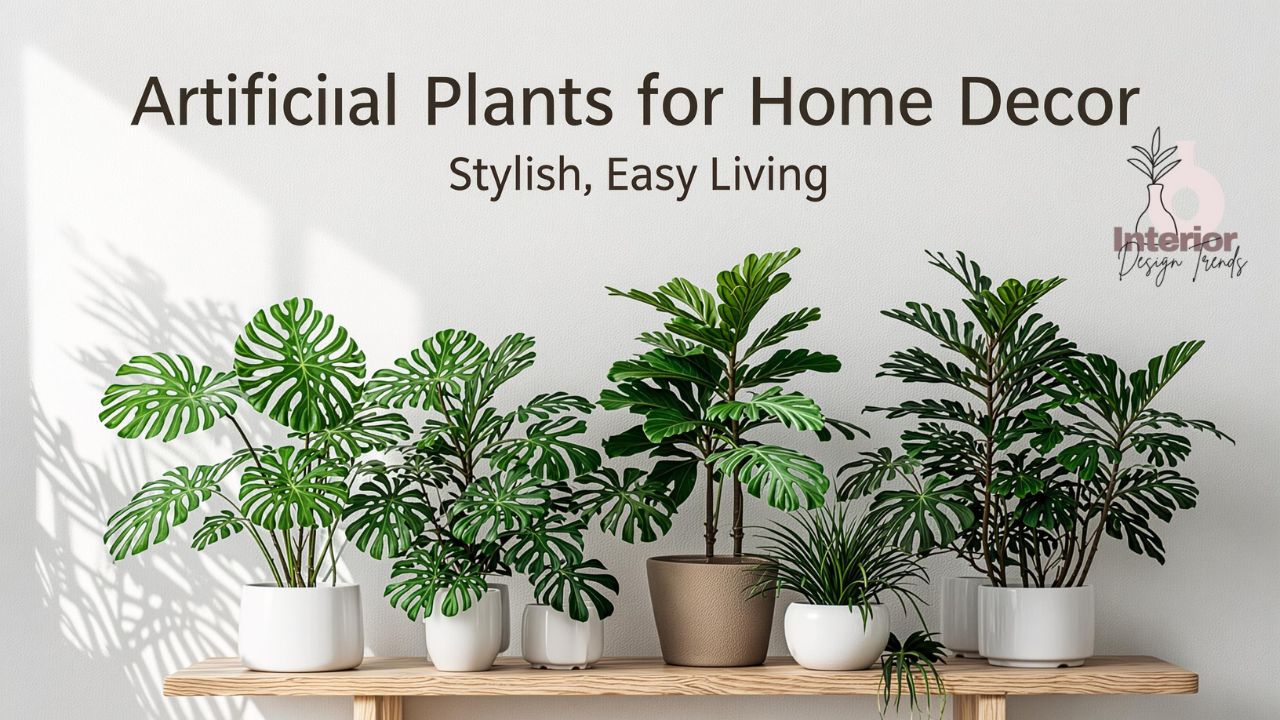
Tall artificial plants such as fiddle leaf figs, palms, and olive trees are ideal for filling empty corners. They add height and balance to a room without overwhelming the space.
These are commonly used in:
- Living rooms
- Entryways
- Open-plan apartments
Tabletop and Shelf Plants
Smaller artificial plants work well on coffee tables, shelves, and desks. They bring subtle texture without cluttering surfaces.
Popular choices include:
- Succulents
- Mini ferns
- Small potted herbs
Hanging Artificial Plants
Trailing vines and hanging faux plants are excellent for vertical interest. They soften walls, shelves, and even bathrooms where real plants struggle.
Artificial Flower Arrangements
While greenery is timeless, artificial flowers add color and personality. Modern arrangements focus on muted tones and natural shapes rather than overly bright colors.
How to Choose High-Quality Artificial Plants
Look at Material and Texture
High-quality artificial plants use matte finishes and soft-touch materials. Glossy leaves often signal low-quality products.
Gently bend the stems. Premium faux plants have flexible wiring that mimics natural movement.
Check Color Variations
Real plants are never one flat shade. Look for subtle color changes, tiny imperfections, and natural fading toward leaf edges.
Pay Attention to the Pot
A realistic plant in a cheap plastic pot ruins the illusion. Many designers repot artificial plants into ceramic, clay, or woven planters for a more authentic look.
Size Matters
Choose plant sizes that match your space. Oversized artificial plants work well in large rooms, while compact styles suit shelves and desks.
Styling Artificial Plants Room by Room
Living Room Styling
In living rooms, artificial plants for home decor help anchor furniture and soften architectural lines. A tall faux tree near a sofa or window creates balance and visual flow.
Layering different plant heights adds depth:
- Floor plant in a corner
- Medium plant on a side table
- Small plant on a shelf
Bedroom Decor
Bedrooms benefit from calm, uncluttered greenery. A single artificial plant on a dresser or nightstand adds warmth without visual noise.
Avoid overcrowding. One or two well-placed plants feel intentional and relaxing.
Kitchen and Dining Areas
Artificial herbs or small potted plants work beautifully in kitchens. They add freshness without worrying about heat or humidity.
Dining spaces often look inviting with a simple centerpiece of faux greenery or flowers.
Bathroom Spaces
Bathrooms are notorious for poor lighting. Artificial plants thrive here, especially hanging vines or small shelf plants that introduce spa-like calm.
Common Myths About Artificial Greenery
“They Always Look Fake”
This was true a decade ago, but not anymore. Modern designs focus on realism, often making it difficult to distinguish faux from real at a glance.
“They’re Only for Cheap Decor”
High-end designers frequently use artificial greenery in luxury interiors. The key is quality and thoughtful placement.
“They Don’t Feel Natural”
While artificial plants don’t grow, they still provide visual comfort. Studies show that even visual representations of nature can reduce stress and improve mood.
Care and Maintenance Tips for Faux Plants
Artificial plants may be low maintenance, but they aren’t no maintenance.
Basic care includes:
- Dusting leaves every few weeks
- Rinsing gently with water if material allows
- Keeping them away from direct sunlight to prevent fading
With minimal effort, artificial plants can look fresh for years.
Sustainability and Environmental Considerations
The sustainability of artificial plants is often debated. While they are made from synthetic materials, their long lifespan can offset environmental impact when compared to short-lived decor items.
Choosing durable, reusable artificial plants reduces waste over time. Some manufacturers are also exploring recycled materials and eco-friendly production methods.
The key is mindful consumption. Buy fewer, higher-quality pieces and use them long-term.
FAQs About Artificial Plants for Home Decor
Are artificial plants suitable for small apartments?
Yes, they’re ideal for small spaces because they don’t require specific light or airflow conditions.
How long do artificial plants last?
High-quality artificial plants can last 5–10 years or longer with proper care.
Can artificial plants be used outdoors?
Some are designed for outdoor use, but most indoor artificial plants may fade or degrade if exposed to harsh weather.
Do artificial plants attract dust?
Yes, like any decor item, they collect dust. Regular cleaning keeps them looking fresh.
Are artificial plants safe for pets?
Most are pet-safe, but it’s best to avoid small detachable parts if pets like to chew.
Can artificial plants improve mood?
While they don’t offer oxygen, visual greenery has been shown to create a calming and uplifting atmosphere.
How many artificial plants should I use in one room?
Less is more. One to three well-placed plants usually look better than many small ones scattered randomly.
Do artificial plants work with modern decor styles?
Absolutely. Minimalist, modern, and Scandinavian interiors often pair beautifully with faux greenery.
Conclusion
Artificial plants for home decor are no longer a compromise; they’re a design choice. They offer beauty without stress, style without upkeep, and flexibility for every lifestyle. When chosen carefully and styled thoughtfully, they elevate interiors in a way that feels natural, balanced, and inviting.
For anyone seeking effortless greenery that fits modern living, artificial plants have earned their place in today’s homes.