Introduction
You’ve probably heard the term back casting room whispered in online forums or mentioned casually in entertainment discussions. But what does it really mean? Is it a formal part of the audition process—or something misunderstood and misrepresented?
In reality, the back casting room has become a broad phrase used across industries like film, modeling, and even adult entertainment. For aspiring actors and models, understanding how a back casting room works can mean the difference between confidence and confusion during auditions.
This topic matters because casting spaces shape careers. They can be gateways to opportunity—or, in some cases, environments that require caution and awareness. Let’s unpack everything clearly, professionally, and honestly.
Table of Contents
What Is a Back Casting Room?
Origins and Industry Usage
How the Back Casting Room Process Works
Back Casting Room in Film and TV
Back Casting Room in Modeling
Back Casting Room in Adult Entertainment
Safety, Legality, and Ethics
Personal Background and Career Realities
Pros and Cons of Back Casting Room Auditions
How to Prepare for a Back Casting Room Session
Frequently Asked Questions
Conclusion
What Is a Back Casting Room?
A back casting room generally refers to a secondary audition space where selected candidates are invited after an initial screening. Unlike a public casting call, this environment is often private, smaller, and more focused.
In traditional film production, it might simply mean a callback room—where shortlisted actors perform scenes for producers or directors. However, in other contexts, especially online discussions, the phrase back casting room can carry different connotations. That’s why clarity matters.
Definition: A back casting room is a controlled audition environment used for follow-up casting evaluations, often involving more detailed performance reviews or camera tests.
Origins and Industry Usage
The entertainment industry has evolved dramatically over the past two decades. Digital platforms, independent production houses, and streaming services have changed how casting works.
Historically, casting was done in open halls or theater spaces. Over time, producers began using smaller private rooms for callbacks and final selections. That practice contributed to what many now casually call the back casting room.
Interestingly, search trends show increased curiosity about this term in recent years, especially as online casting platforms have grown. Transparency and professional standards have become more important than ever.
How the Back Casting Room Process Works
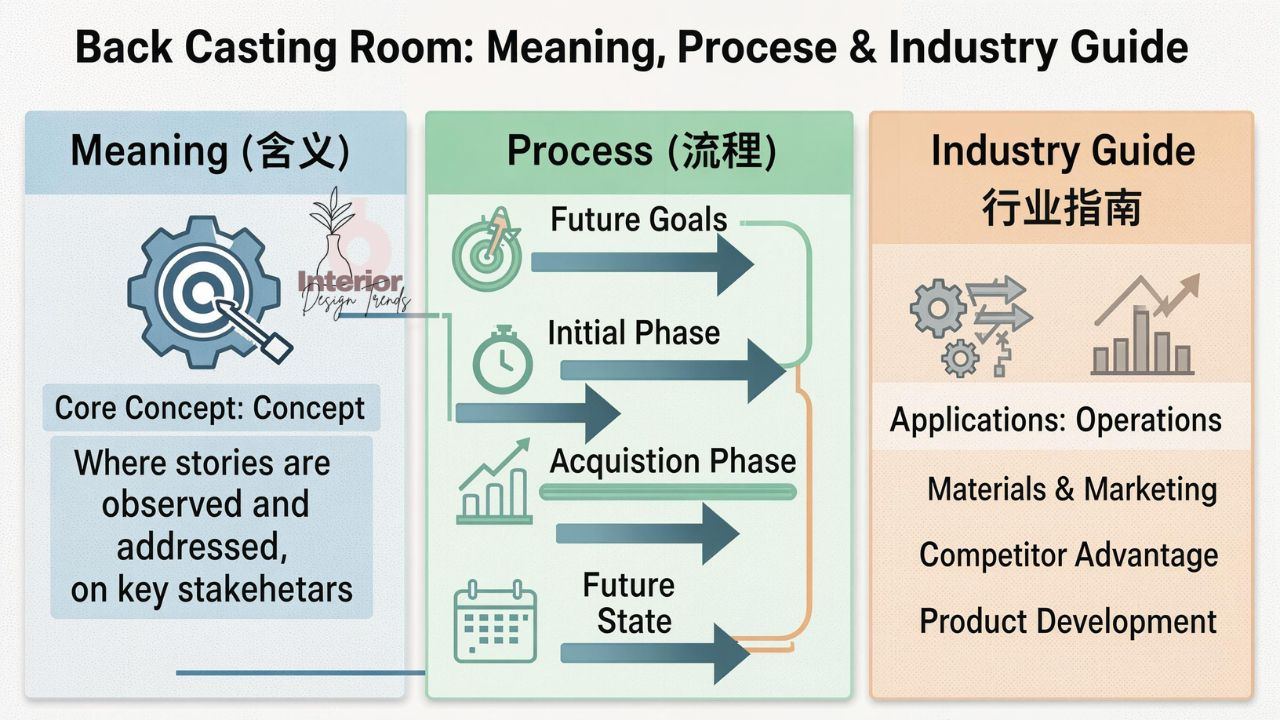
Understanding the process removes fear and replaces it with preparation. While every production differs, the structure often follows these stages:
1. Initial Screening
Applicants submit:
- Headshots
- Portfolio or reel
- Resume
- Basic personal information
Casting teams review submissions and shortlist candidates.
2. Callback Invitation
Selected individuals receive an invitation to attend a private session—often referred to as the back casting room stage.
3. Performance Evaluation
This may include:
- Scene readings
- Improvisation
- Camera tests
- Chemistry tests with other actors
4. Final Decision
Producers evaluate performance, professionalism, and overall fit.
Back Casting Room in Film and TV
In mainstream cinema and television, the back casting room is essentially a callback audition. For example, major studios often conduct multiple audition rounds before finalizing roles.
Directors want to see how actors handle pressure, direction, and emotional shifts. According to industry surveys, over 70% of professional actors attend at least three audition rounds before landing a role.
In this context, the environment is structured, documented, and professionally managed.
Back Casting Room in Modeling
In modeling, especially commercial or glamour shoots, follow-up auditions may happen in a private studio. This is sometimes labeled informally as a back casting room.
Models might:
- Walk on camera
- Demonstrate posing versatility
- Participate in test shoots
- Discuss contract terms
Transparency and clear communication are crucial. Legitimate agencies provide written agreements and professional staff presence.
Back Casting Room in Adult Entertainment
This is where the phrase <strong>back casting room</strong> is most frequently searched online. In adult entertainment, it may refer to a filmed audition setting.
It’s important to differentiate between:
- Licensed, regulated production studios
- Unverified or informal operations
Professional studios follow legal compliance requirements including: - Age verification
- Signed contracts
- Health documentation
- Consent protocols
However, aspiring performers should exercise caution and conduct due diligence before participating in any private audition.
Safety, Legality, and Ethics
Safety should always be the priority. Whether in film, modeling, or adult content, professional casting spaces must:
- Provide written agreements
- Ensure consent
- Allow third-party representation
- Maintain clear boundaries
Red flags include: - Pressure to participate without documentation
- Lack of identifiable company presence
- Cash-only payments
- No formal contact details
In reality, reputable casting professionals respect boundaries and transparency.
Personal Background and Career Realities
Many performers start their journey through small auditions before advancing. Consider the story of independent actors who began in callback rooms and eventually signed with agencies.
Career growth often depends on:
- Networking
- Persistence
- Professional training
- Portfolio development
Financial outcomes vary widely. While top-tier actors can earn millions annually, most working performers earn moderate, project-based income. In adult entertainment, income ranges significantly depending on platform, contracts, and branding strategy.
The truth? Sustainable careers require strategy, not just opportunity.
Pros and Cons of Back Casting Room Auditions
Advantages
- Greater exposure to decision-makers
- Opportunity to demonstrate versatility
- Higher chance of selection
- More focused evaluation
Disadvantages
- Intimidating environment
- Potential misunderstandings about expectations
- Risk in unregulated settings
Balancing ambition with awareness is essential.
How to Prepare for a Back Casting Room Session
Preparation builds confidence.
Before You Go
- Research the production company
- Verify online reviews and legal registration
- Bring identification and portfolio copies
- Inform someone you trust about the location
During the Session
- Stay professional
- Ask clarifying questions
- Read contracts carefully
- Leave if uncomfortable
Confidence doesn’t mean blind trust. It means informed participation.
Frequently Asked Questions
What does back casting room mean?
It generally refers to a private or secondary audition space used for follow-up evaluations.
Is a back casting room legitimate?
It can be, depending on the industry and the professionalism of the organization involved. Always verify credentials.
Is back casting room only related to adult content?
No. While commonly searched in that context, the term can apply to film, modeling, and media auditions.
How can I stay safe in a back casting room?
Research thoroughly, demand written contracts, and avoid situations that lack transparency.
Do professional studios use back casting room setups?
Yes, many use private callback rooms for final casting decisions.
Can beginners attend a back casting room audition?
Yes, beginners are often invited if shortlisted from initial submissions.
Are there legal requirements?
In regulated industries, yes—especially age verification, contracts, and consent documentation.
Does attending guarantee a job?
No. It’s part of the selection process, not a confirmation.
Conclusion
The back casting room is neither inherently mysterious nor inherently problematic. It’s simply a stage in the audition ecosystem—one that can open doors when handled professionally.
However, context matters. In film and modeling, it’s often just a callback. In other sectors, it may involve different expectations. The key is awareness, preparation, and informed decision-making.
Opportunity favors those who are prepared—and protected.