Introduction
Designers, publishers, and content creators are always searching for tools that make layout creation easier without sacrificing professional quality. shotscribus software has gained attention among creatives who want flexible design capabilities without the high cost associated with traditional publishing tools.
Audio workflow note: for audio editing and mastering, this Sound Forge Pro is a useful related reference.
In the modern digital publishing world, having reliable layout software can dramatically improve productivity and creativity. Whether you’re designing a magazine, brochure, digital booklet, or marketing material, the right platform makes all the difference. That’s where shotscribus software comes into the picture.
This software provides a powerful set of tools for desktop publishing, helping designers craft visually engaging pages while maintaining full control over typography, images, and layout elements. From beginners exploring design to professionals producing high-quality publications, it offers features that adapt to a wide range of creative needs.
Understanding how this tool works and what makes it valuable can help you decide whether it deserves a place in your design workflow.
Understanding Desktop Publishing Tools
Desktop publishing tools play a critical role in modern design and content creation. They enable users to combine text, images, graphics, and typography into visually structured layouts suitable for print or digital publishing.
Unlike basic document editors, publishing software allows advanced control over layout composition. Designers can adjust margins, columns, typography spacing, and visual alignment with precision.
What Makes Desktop Publishing Software Important
Publishing tools are essential for several reasons:
- They enable precise layout control
- They allow professional typography management
- They simplify design workflows for multi-page documents
- They support print-ready output formats
These capabilities help designers create professional publications without needing complex graphic software.
Typical Projects Created With Publishing Software
Creative professionals use publishing platforms for a wide variety of projects, including:
- Magazines and newspapers
- Marketing brochures
- Flyers and posters
- Books and eBooks
- Company reports
- Product catalogs
Each of these formats requires strong layout tools to ensure readability, visual balance, and brand consistency.
What Is Shotscribus Software
shotscribus software is a desktop publishing tool designed to help users create professional page layouts using an intuitive interface and powerful editing features.
It focuses on combining text formatting, image placement, and design elements into structured pages that can be exported for both print and digital publishing. Many designers appreciate its flexibility and ability to support complex layouts without overwhelming beginners.
Core Purpose of the Software
The main goal of the software is to provide a comprehensive environment for creating visually polished documents. It allows users to build layouts with multiple columns, apply advanced typography settings, and manage graphics efficiently.
Because publishing often involves collaboration between writers, editors, and designers, tools like this make it easier to keep content organized while maintaining consistent design standards.
Key Features of shotscribus software
Modern publishing tools succeed because they combine creative flexibility with practical workflow features. shotscribus software includes several capabilities that support both individual designers and collaborative teams.
Advanced Page Layout Control
The software gives users precise control over document structure.
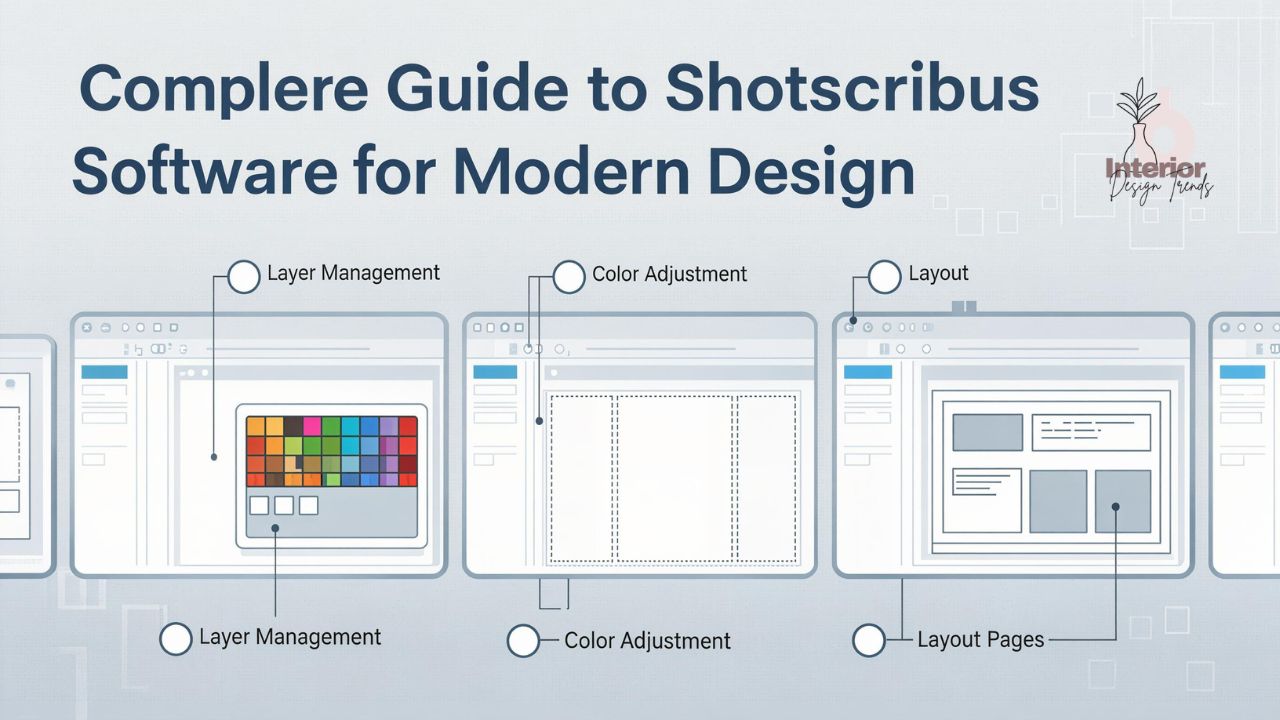
Key layout features include:
- Custom page sizes
- Column grids
- Margin and spacing control
- Layer management
- Master pages for repeated designs
Master pages are particularly helpful for long documents such as magazines or books, where consistent headers, footers, and layout elements are required across many pages.
Typography and Text Styling Tools
Typography plays a major role in design quality. The software includes extensive text formatting options that allow users to refine every aspect of typography.
These include:
- Font management
- Character and paragraph styling
- Line spacing adjustments
- Kerning and tracking
- Text flow between frames
Good typography ensures that readers can easily follow content while maintaining visual harmony across the page.
Image and Graphic Integration
Visual content is essential for modern publications. The software supports importing and positioning images within the layout while maintaining resolution and alignment.
Users can:
- Insert high-resolution images
- Resize and crop visuals
- Wrap text around graphics
- Align elements with grid systems
These tools allow designers to balance visual elements with written content effectively.
Why Designers Choose shotscribus software
There are many publishing tools available today, yet designers continue exploring new platforms that improve efficiency and flexibility.
Accessibility and Flexibility
One of the biggest advantages of shotscribus software is accessibility. It allows users to experiment with layout design without requiring expensive subscriptions or steep learning curves.
This makes it appealing to:
- Freelance designers
- Students learning publishing
- Small business owners creating marketing materials
- Content creators producing digital publications
The ability to access powerful design tools without major financial investment can significantly expand creative opportunities.
Suitable for Print and Digital Publishing
Another reason many creatives adopt publishing tools like this is the ability to produce both print-ready and digital documents.
Publishing projects may require:
- PDF export for digital sharing
- High-resolution files for printing
- Color management for print accuracy
- Page-based document organization
With proper settings, designers can ensure their projects maintain quality across different formats.
Workflow Benefits for Creative Professionals
Efficient workflows are crucial when working on large design projects. Publishing software helps reduce repetitive tasks and keeps layouts organized.
Organized Document Structure
Complex documents often contain dozens or even hundreds of pages. Managing these pages manually can become difficult.
Publishing tools simplify this process by offering:
- Page navigation panels
- Automatic page numbering
- Linked text frames
- Master layout templates
These features save time and reduce the chances of layout errors.
Collaboration and Content Editing
Many publications require collaboration between multiple contributors. Writers, editors, and designers must coordinate content changes without disrupting layout structure.
Design software typically allows easy updates to text and images while preserving formatting. This ensures that content revisions do not require complete redesigns.
Learning Curve and User Experience
A common concern for new users is whether publishing software will be difficult to learn. While advanced design tools can appear complex at first, many users adapt quickly with regular practice.
Tips for Getting Started
New users can begin learning by focusing on simple projects.
Helpful beginner steps include:
- Start with a basic flyer or brochure layout
- Experiment with typography styles
- Practice inserting and aligning images
- Learn how master pages work
- Export documents in different formats
These exercises help build familiarity with the interface and design features.
Improving Layout Design Skills
Beyond learning the software itself, improving design quality requires understanding visual communication principles.
Important design principles include:
- Balance and alignment
- Contrast between text and images
- Consistent typography hierarchy
- Effective use of white space
Mastering these fundamentals allows designers to create professional layouts regardless of the specific tool they use.
Comparing Publishing Tools
Designers often compare publishing platforms before choosing one for their workflow. Each option has strengths depending on project requirements and personal preferences.
Factors Designers Consider
When evaluating publishing tools, professionals usually examine:
- Ease of use
- Feature availability
- Export formats
- Typography control
- Compatibility with design workflows
Choosing the right tool often depends on the type of projects being produced and the designer’s experience level.
Role of shotscribus software in Modern Design
The design landscape continues to evolve as digital publishing expands. Tools that provide flexibility and strong layout control are becoming more important for creators across industries.
By offering layout tools, typography features, and publishing capabilities in one environment, shotscribus software contributes to a growing ecosystem of accessible design platforms.
Best Use Cases for shotscribus software
Different creative projects benefit from layout software in different ways.
Independent Publishing
Writers and independent publishers often use layout tools to produce books, magazines, and newsletters without relying on large publishing houses.
Business Marketing Materials
Small businesses frequently need design tools to create:
- Promotional brochures
- Product catalogs
- Event flyers
- Company reports
Publishing software allows them to maintain consistent branding across marketing materials.
Educational Content
Teachers, trainers, and educators also benefit from layout software when creating learning materials such as:
- Study guides
- Course booklets
- Presentation handouts
- Educational magazines
Structured layouts help improve readability and engagement for learners.
FAQ
What is shotscribus software used for?
shotscribus software is used for desktop publishing and layout design. It helps users create structured documents such as magazines, brochures, reports, and digital publications.
Is shotscribus software suitable for beginners?
Yes. While it includes advanced design features, beginners can start with simple layouts and gradually explore more complex tools as they gain experience.
Can the software create print-ready documents?
Most publishing tools allow exporting high-resolution files suitable for professional printing, making them useful for magazines, posters, and books.
Does the software support typography customization?
Yes. Publishing platforms typically offer extensive typography controls including spacing, alignment, and style management.
What types of projects can be created with publishing software?
Common projects include brochures, marketing materials, magazines, newsletters, product catalogs, and digital publications.
Is layout software different from graphic design software?
Yes. Graphic design tools focus on creating illustrations and visual assets, while layout software organizes text and graphics into structured page designs.
Can businesses benefit from publishing software?
Absolutely. Businesses use publishing tools to create professional marketing materials and internal documents.
How long does it take to learn publishing software?
The learning time varies depending on experience. Basic projects can be learned within a few days, while advanced layout techniques may take longer to master.
Conclusion
In today’s content-driven world, effective visual communication is essential for both digital and print publications. Tools like shotscribus software give creators the ability to design structured layouts, manage typography, and combine text with visuals in a polished format.
Whether you’re producing a magazine, building marketing materials, or creating educational resources, publishing software provides the flexibility needed to transform ideas into professional designs. By learning the fundamentals of layout design and exploring the features available in modern publishing tools, designers can unlock new creative possibilities and deliver visually compelling content that stands out.