Introduction
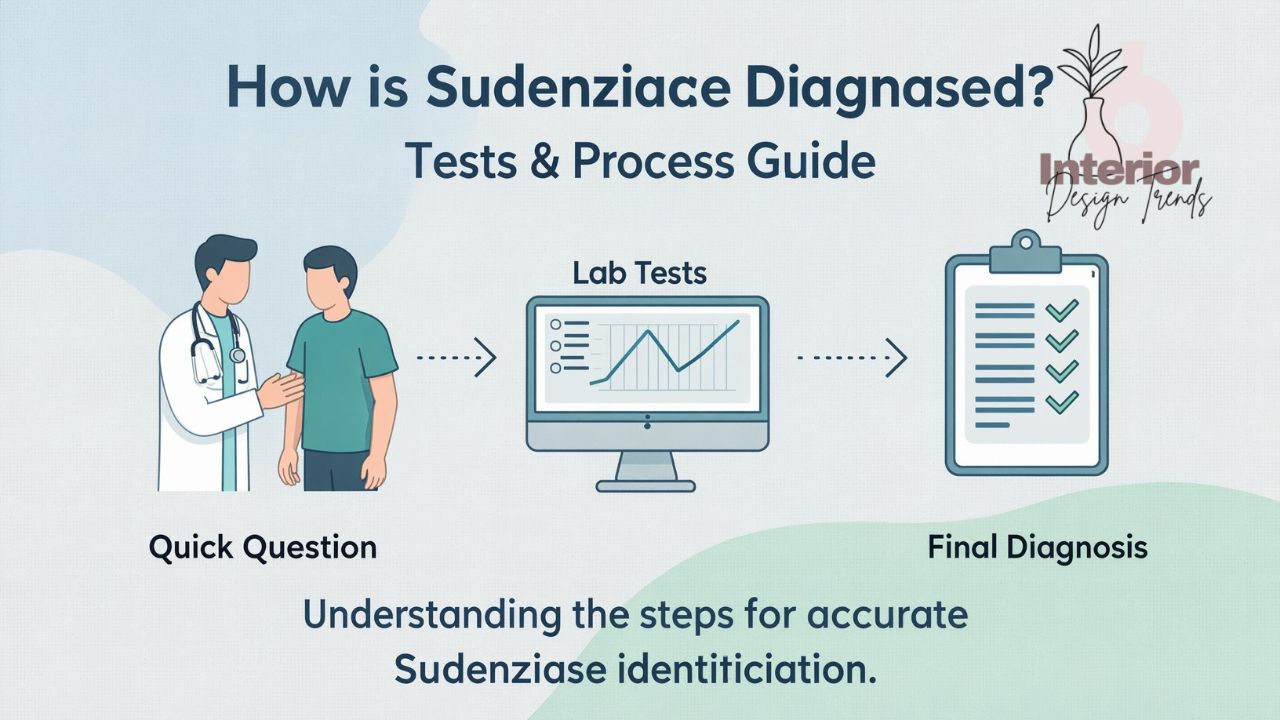
Imagine experiencing symptoms that don’t quite make sense—fatigue, discomfort, or unusual changes in your body—yet no clear explanation. This is where understanding how is sudenzlase diagnosed becomes crucial. Early and accurate diagnosis can make all the difference between effective treatment and prolonged uncertainty.
Many people feel overwhelmed when faced with unfamiliar medical terms or diagnostic procedures. But the truth is, breaking down the process into simple, understandable steps can empower you to take control of your health.
In this article, we’ll walk through everything you need to know—from symptoms and screening methods to advanced diagnostic tools—so you can clearly understand how healthcare professionals identify this condition and what to expect along the way.
Understanding Sudenzlase: A Brief Overview
Sudenzlase is considered a complex condition that often presents with overlapping symptoms, making it tricky to identify early on. Its diagnosis relies heavily on a combination of clinical evaluation, patient history, and targeted medical tests.
What Makes It Difficult to Diagnose?
Several factors contribute to the challenge:
- Symptoms mimic other conditions
- Lack of a single definitive test
- Variability in patient experiences
- Gradual onset in many cases
Because of this, doctors must follow a structured and layered approach rather than relying on one test alone.
Common Symptoms That Lead to Diagnosis
Before diving into how is sudenzlase diagnosed, it’s important to recognize the symptoms that typically prompt medical evaluation.
Early Signs
- Persistent fatigue
- Mild but recurring discomfort
- Changes in appetite or weight
- Low-grade inflammation indicators
Advanced Symptoms
- Chronic pain or discomfort
- Noticeable physiological changes
- Reduced energy levels
- Compromised daily functioning
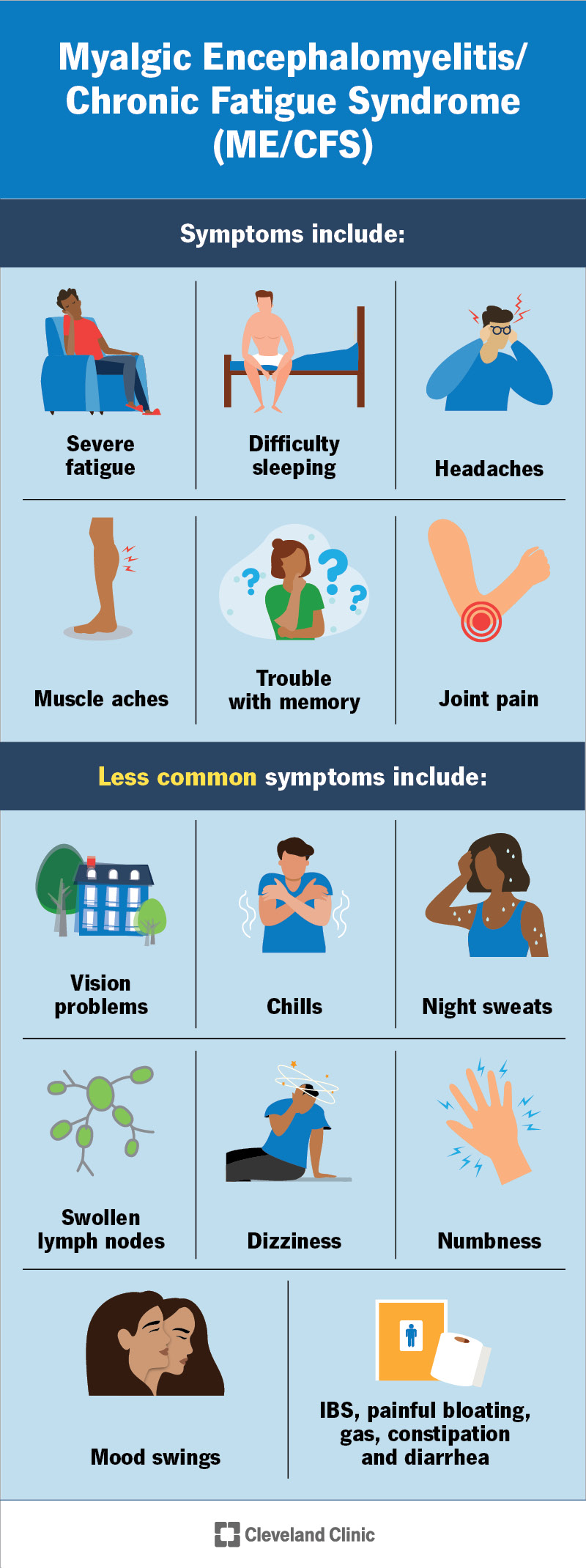


These symptoms often lead patients to seek medical advice, initiating the diagnostic journey.
Initial Clinical Evaluation
Patient History and Physical Examination
The first step in determining how is sudenzlase diagnosed involves a thorough review of the patient’s medical history.
Doctors typically ask about:
- Duration and severity of symptoms
- Family medical history
- Lifestyle factors (diet, stress, activity level)
- Previous illnesses or treatments
A physical exam follows, helping identify visible or measurable abnormalities.
Why This Step Matters
This stage helps doctors:
- Rule out obvious alternative conditions
- Identify patterns
- Decide which tests are necessary
Laboratory Testing in Diagnosis
Lab tests play a critical role in confirming suspicions.
Blood Tests
These are often the first diagnostic tools used:
- Complete blood count (CBC)
- Inflammatory markers
- Enzyme levels
- Hormonal balance checks
Specialized Tests
Depending on findings, doctors may recommend:
- Genetic testing
- Biomarker analysis
- Immunological profiling
These tests help narrow down possibilities and provide clearer insights into how is sudenzlase diagnosed in complex cases.
Imaging Techniques Used
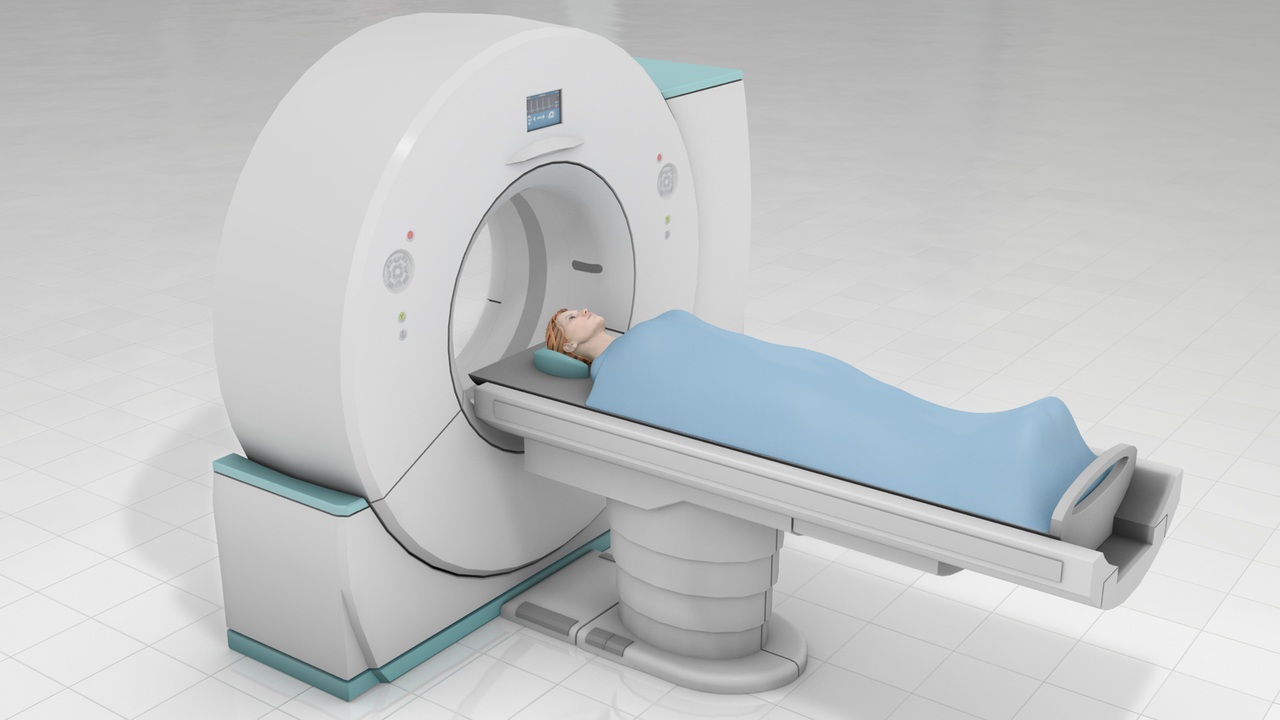
Imaging helps visualize internal structures and detect abnormalities.
Common Imaging Methods
- Ultrasound: Non-invasive and quick
- MRI scans: Detailed imaging of tissues
- CT scans: Cross-sectional views of the body


Role in Diagnosis
These techniques help:
Advanced Diagnostic Procedures
When basic tests are inconclusive, doctors may move to more advanced methods.
Biopsy
A biopsy involves taking a small tissue sample for analysis. It provides:
- Cellular-level insights
- Confirmation of abnormalities
- Detailed pathological information
Functional Testing
These tests assess how specific organs or systems are working.
Examples include:
- Metabolic assessments
- Neurological evaluations
- Organ performance tests
These methods are often essential in fully understanding how is sudenzlase diagnosed in complex or late-stage cases.
Differential Diagnosis: Ruling Out Other Conditions
A key part of diagnosis involves eliminating other possibilities.
Why It’s Important
Many conditions share similar symptoms, so doctors must ensure accuracy.
Conditions Often Considered
- Autoimmune disorders
- Chronic fatigue-related conditions
- Metabolic syndromes
- Inflammatory diseases
This step ensures that the final diagnosis is precise and reliable.
Role of Specialists in Diagnosis
In many cases, general practitioners refer patients to specialists.
Types of Specialists Involved
- Internists
- Endocrinologists
- Neurologists
- Immunologists
Collaborative Approach
Diagnosis often involves multiple experts working together to analyze results and confirm findings.
Timeline: How Long Diagnosis Takes
Understanding the timeline can help manage expectations.
Typical Duration
- Initial evaluation: 1–2 visits
- Testing phase: Several days to weeks
- Final diagnosis: A few weeks to months
Factors Affecting Timeline
- Severity of symptoms
- Availability of tests
- Complexity of the case

Challenges in Diagnosing Sudenzlase
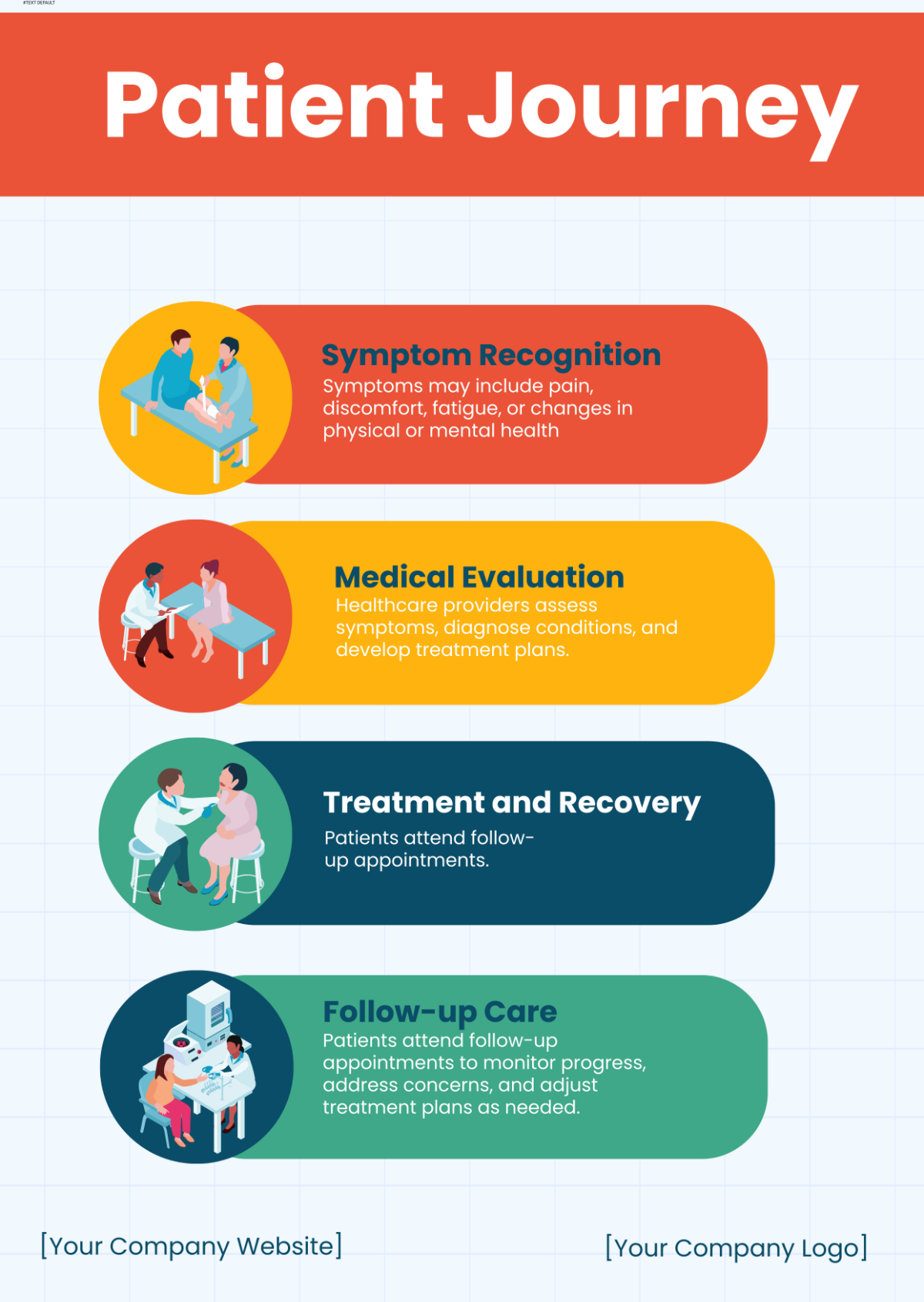
Even with modern medicine, challenges remain.
Common Obstacles
- Non-specific symptoms
- Limited awareness
- Variability among patients
- Need for multiple tests
These challenges highlight why understanding how is sudenzlase diagnosed is essential for both patients and healthcare providers.
Importance of Early Diagnosis
Early detection significantly improves outcomes.
Benefits
- Faster treatment initiation
- Reduced complications
- Better quality of life
- Improved long-term prognosis
Patients who recognize symptoms early and seek help are more likely to receive timely care.
How Technology Is Improving Diagnosis
Modern advancements are transforming diagnostic methods.
Emerging Tools
- AI-assisted diagnostics
- Advanced imaging techniques
- Precision medicine approaches
- Digital health monitoring
These innovations are making it easier and faster to determine how is sudenzlase diagnosed with higher accuracy.
Preparing for a Diagnostic Appointment
Being prepared can make the process smoother.
What to Bring
- Medical history records
- List of symptoms
- Current medications
- Questions for your doctor
Tips for Patients
- Be honest about symptoms
- Don’t ignore minor changes
- Follow up on test results
FAQ Section
Frequently Asked Questions
What is the first step in diagnosing sudenzlase?
The first step is usually a detailed medical history and physical examination, followed by basic lab tests to identify potential indicators.
Are there specific tests for sudenzlase?
There isn’t a single definitive test; diagnosis involves a combination of blood tests, imaging, and sometimes biopsy.
How accurate are diagnostic tests?
Accuracy depends on the combination of tests used and the expertise of healthcare professionals interpreting the results.
Can sudenzlase be misdiagnosed?
Yes, due to overlapping symptoms with other conditions, misdiagnosis can occur without thorough evaluation.
Is early diagnosis possible?
Yes, especially if symptoms are recognized early and medical advice is sought promptly.
Do I need a specialist for diagnosis?
In many cases, specialists are involved to confirm the diagnosis and ensure accuracy.
How long does diagnosis usually take?
It can range from a few weeks to several months depending on the complexity of the case.
Are imaging tests always required?
Not always, but they are commonly used when structural abnormalities need to be assessed.
Conclusion
Understanding how is sudenzlase diagnosed empowers you to navigate the medical process with confidence. While the journey may involve multiple steps—clinical evaluations, lab tests, imaging, and specialist consultations—each plays a vital role in reaching an accurate conclusion.
The key is awareness and proactive action. Recognizing symptoms early, seeking professional guidance, and staying informed can significantly improve outcomes. As medical technology continues to evolve, diagnosing conditions like sudenzlase is becoming more precise, offering hope for faster and more effective care.