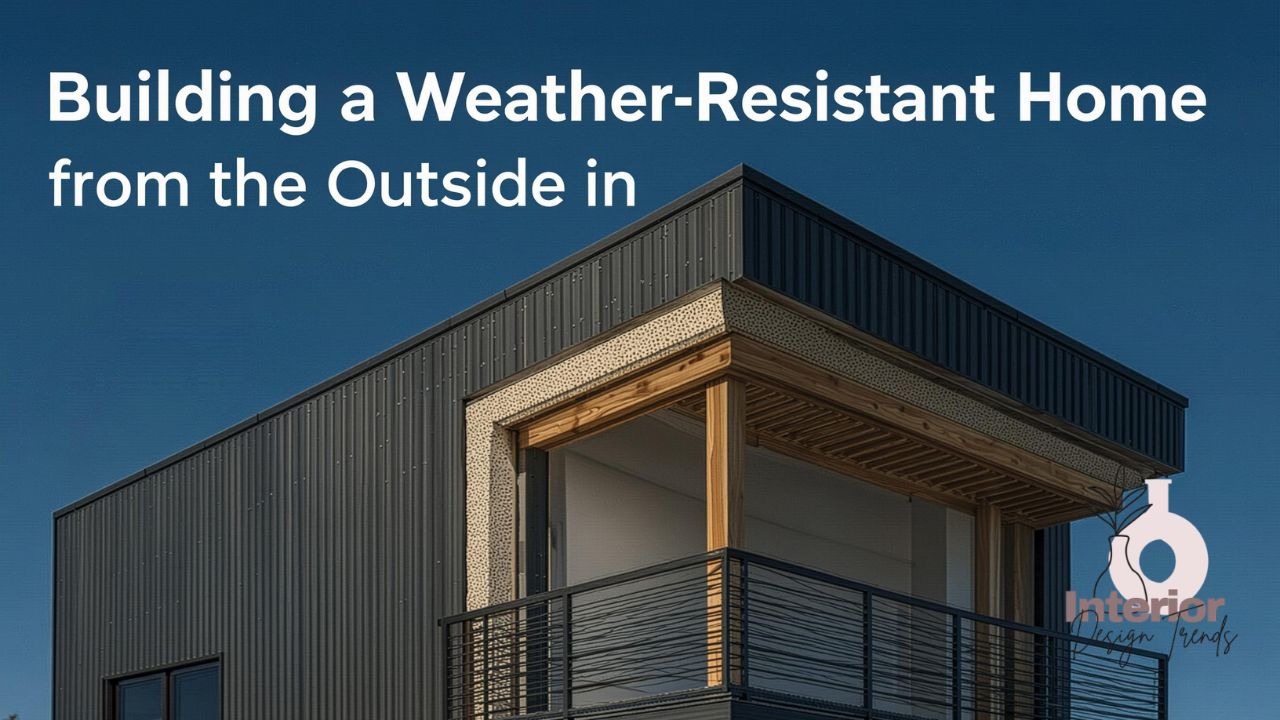
Weather can shift from calm to harsh without warning, so a home must stand ready at every layer. Strong design begins from the outside and works inward, creating a protective shell that shields everything inside. Materials, installation methods, and maintenance habits all shape long-term durability. Careful planning reduces repair costs and improves comfort through every season. Each exterior element plays a role, from the roof to the foundation. A well-built home does not rely on luck; it relies on smart choices and consistent upkeep. The following sections explain how to create a weather-resistant structure that performs reliably year after year.
1. Understanding Local Climate Conditions
Every region presents its own weather challenges, so planning must begin with a clear understanding of local conditions. Heavy rain, strong winds, snow loads, and heat exposure all demand different construction strategies. Builders who study climate patterns make smarter material choices and avoid preventable damage. Temperature swings can cause expansion and contraction, which weakens poorly chosen materials. Wind-driven rain can penetrate weak joints and seams. Knowledge of seasonal patterns helps guide decisions about insulation, sealing, and structural reinforcement. A home that responds directly to its environment stands stronger and lasts longer without constant repairs or costly upgrades.
2. Choosing Durable Exterior Materials
Material selection defines how well a home resists wear from weather exposure. High-quality siding, roofing, and trim provide the first line of defense against moisture and impact. Many homeowners consult a reliable siding company to compare options that balance durability with appearance and cost. Fiber cement, engineered wood, and vinyl each offer unique advantages depending on climate demands. Strong materials resist cracking, fading, and warping under pressure. Consistent quality across all exterior components prevents weak points that invite damage. Thoughtful choices at this stage reduce long-term maintenance and ensure the home maintains its strength and visual appeal.
3. Installing a Reliable Roofing System
A roof shields the entire structure, so it must perform without compromise. Proper installation ensures that shingles, underlayment, and flashing work together as a unified barrier. Roofs must shed water quickly to prevent pooling and leaks. Steeper slopes improve drainage, while quality materials extend lifespan. Ice dams and heavy snowfall require special attention in colder climates. Builders must secure every layer tightly to withstand high winds. Regular inspections help identify loose shingles or damaged flashing before problems escalate. A well-installed roof protects not only the attic but also every room below it from moisture intrusion.
4. Reinforcing the Building Envelope
The building envelope includes walls, windows, doors, and insulation layers that separate indoor and outdoor environments. Strong reinforcement prevents air leaks and moisture penetration. Sealing gaps around windows and doors improves energy efficiency and reduces drafts. Proper insulation keeps indoor temperatures stable while reducing strain on heating and cooling systems. Weather barriers and house wraps add an extra layer of protection against wind-driven rain. Builders must install these components carefully to avoid weak points. A tight, well-sealed envelope improves comfort and prevents hidden damage that could compromise structural integrity over time.
5. Managing Water Drainage Effectively
Water control plays a critical role in protecting a home from long-term damage. Gutters and downspouts must direct water away from the foundation to prevent erosion and flooding. Proper grading ensures that rainwater flows away from the structure rather than pooling near walls. Drainage systems should handle heavy rainfall without overflow. Regular cleaning prevents blockages that could cause backups. Splash blocks and drainage extensions help guide water further from the home. Consistent water management protects both the exterior and the foundation, reducing the risk of cracks, mold growth, and structural weakening over time.
6. Strengthening Windows and Doors
Windows and doors often serve as vulnerable points during extreme weather. Strong frames and impact-resistant glass improve protection against storms and debris. Proper sealing prevents drafts and water infiltration. Multi-pane windows provide better insulation and reduce heat transfer. High-quality weatherstripping maintains a tight seal even after repeated use. Doors must close securely and resist warping under temperature changes. Reinforced locking systems add both security and structural stability. Careful installation ensures that frames remain aligned and secure. Durable windows and doors improve comfort while maintaining the overall strength of the home’s exterior shell.
7. Protecting the Foundation
The foundation supports the entire structure, so it must remain stable and dry. Cracks can allow water to seep in and weaken structural integrity. Builders should use moisture-resistant materials and proper sealing techniques to prevent infiltration. Drainage systems must keep water away from the base of the home. Regular inspections help detect early signs of shifting or damage. Soil conditions also influence foundation performance, so preparation must match the environment. A strong foundation keeps the home level and prevents costly structural repairs. Protection at this level ensures that the entire building remains secure and dependable.
8. Using Weather-Resistant Finishes
Exterior finishes add both protection and visual appeal. Paints, stains, and coatings must resist moisture, UV exposure, and temperature changes. High-quality finishes prevent cracking, peeling, and fading over time. Regular maintenance keeps these surfaces intact and effective. Sealants protect joints and edges where water might enter. Choosing finishes designed for specific climates improves performance and longevity. Consistent care extends the life of exterior materials and reduces the need for frequent repainting or repairs. Durable finishes act as a protective layer that preserves both the structure and its appearance under constant exposure.
9. Maintaining Exterior Systems Regularly
Even the strongest materials require ongoing maintenance to perform well. Regular inspections help identify small issues before they grow into major problems. Cleaning gutters, checking seals, and repairing minor damage keep the exterior in good condition. Homeowners should schedule seasonal checks to address weather-related wear. Quick action prevents water intrusion and structural deterioration. Maintenance also helps preserve energy efficiency by keeping insulation and seals intact. A proactive approach saves time and money while extending the lifespan of every exterior component. Consistent care ensures that the home continues to resist adverse weather effectively year after year.
Building a weather-resistant home from the outside in requires attention to detail at every stage. Each layer, from roofing to foundation, contributes to overall strength and durability. Smart material choices, careful installation, and consistent maintenance create a structure that withstands harsh conditions without frequent repairs. A well-protected home offers comfort, efficiency, and peace of mind through every season. Strong planning and execution ensure long-term performance and value. By focusing on each exterior element and maintaining it properly, homeowners can create a space that remains secure, efficient, and visually appealing despite constant exposure to the elements.