Introduction
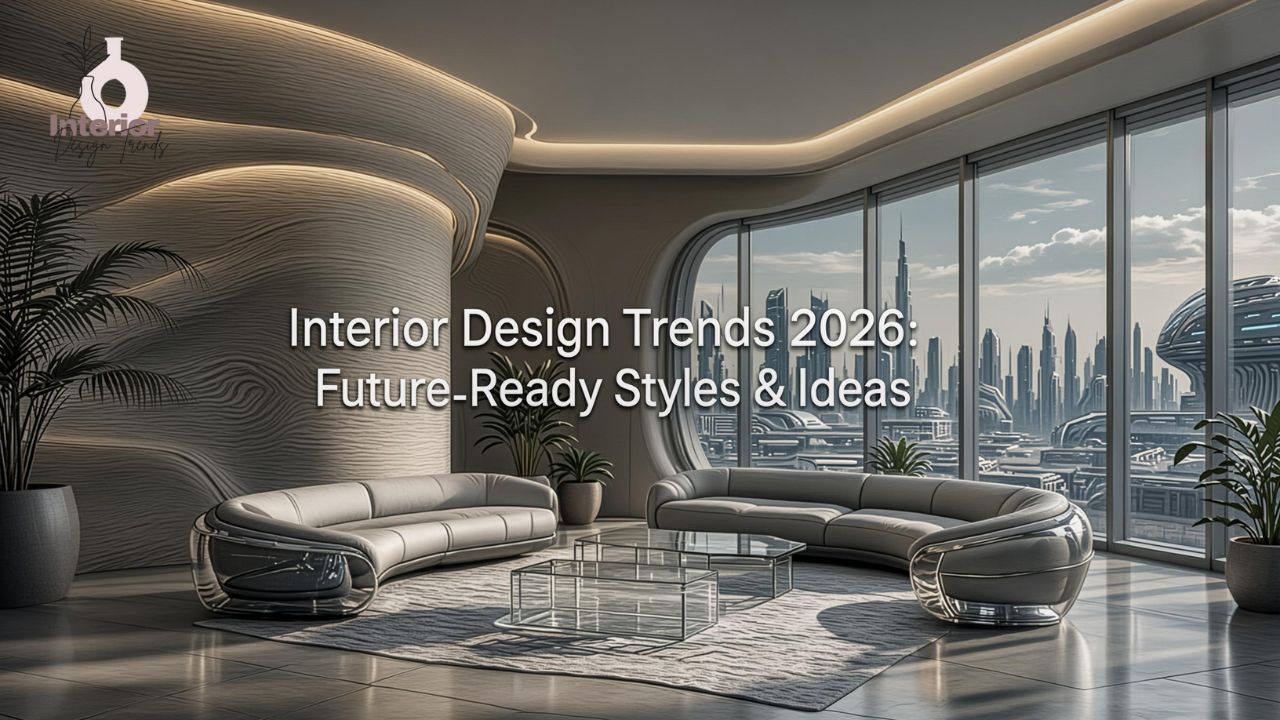
Walking into a home in 2026 won’t feel the same as it did just a few years ago. Spaces are becoming more emotional, more intelligent, and deeply personal. The interior design trends 2026 are not about chasing aesthetics alone; they’re about how people live, work, rest, and reconnect inside their homes.
After years of fast trends and visual overload, homeowners are slowing down. In reality, comfort, sustainability, and adaptability now matter as much as beauty. Designers are blending technology with craftsmanship, and minimalism with warmth, creating interiors that feel lived-in rather than staged.
What makes these trends exciting is their practicality. Whether you live in a compact apartment or a spacious villa, these ideas are shaping real homes—not just magazine spreads.
Interior Design Trends 2026 That Are Redefining Homes
The defining shift in interior design trends 2026 is intention. Instead of copying a look, homeowners are choosing designs that reflect values and routines. Spaces are becoming multifunctional, flexible, and emotionally grounding.
Human-Centric Design
Designers are prioritizing how spaces make people feel. Soft lighting, curved furniture, and natural materials are used to reduce visual stress. On the other hand, sharp lines and overly glossy finishes are fading out.
Spaces With Purpose
Rooms are no longer single-use. Dining rooms double as workspaces, and bedrooms include reading corners or meditation zones. This flexibility reflects real lifestyles rather than idealized layouts.

Color Palettes Taking Over in 2026
Color in 2026 is confident yet calming. Instead of stark whites, warmer and mood-enhancing shades are dominating walls and furniture.
Earthy Neutrals With Depth
Beige evolves into clay, sand, and mushroom tones. These colors create warmth while still acting as neutral backdrops.
Muted Bold Colors
Deep olive, rust, terracotta, and inky blues are being used strategically. However, they appear in balanced doses—accent walls, cabinetry, or statement furniture.
Color Drenching Returns
Painting walls, ceilings, and trim in the same tone is making a strong comeback. It creates a cocooning effect that feels both modern and timeless.

Furniture Trends Focused on Comfort and Longevity
Furniture in 2026 is designed to last—physically and emotionally.
Soft Shapes and Curves
Sofas, armchairs, and tables feature rounded edges. These shapes feel inviting and soften modern interiors.
Modular and Adaptable Furniture
Modular seating and storage systems allow homeowners to reconfigure spaces as needs change. In reality, this flexibility saves money and reduces waste.
Vintage and Contemporary Mix
Rather than buying everything new, people are pairing modern furniture with vintage or handcrafted pieces. This contrast adds character and authenticity.

Materials and Textures Dominating Modern Interiors
Texture is one of the most defining aspects of interior design trends 2026. Smooth, flat finishes are giving way to layered surfaces.
Natural Materials Take Center Stage
Popular materials include:
- Solid wood with visible grain
- Natural stone like travertine and limestone
- Clay, terracotta, and lime plaster
Tactile Wall Finishes
Textured walls using limewash, microcement, or plaster add depth without overwhelming the space.
Fabrics That Feel Lived-In
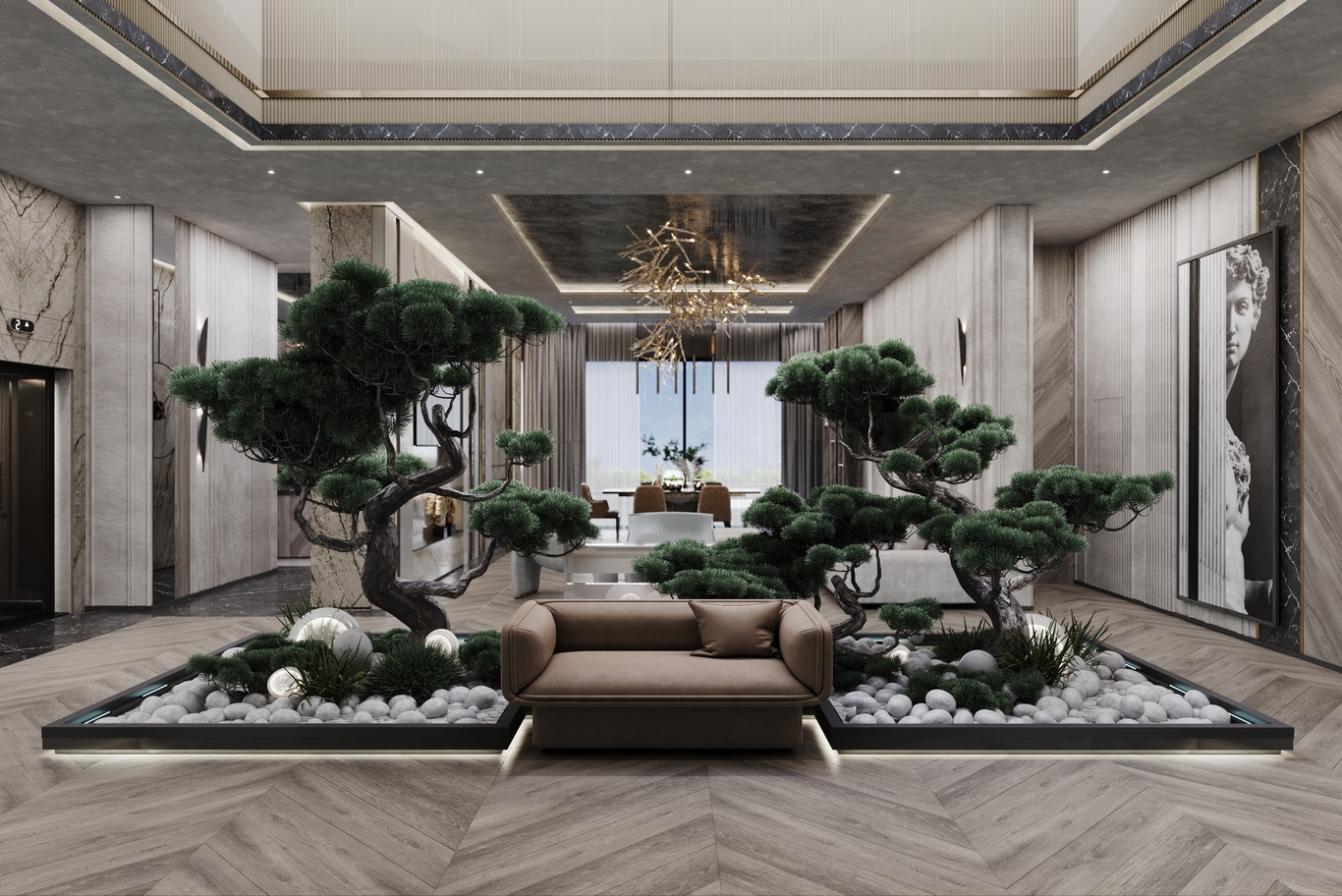
Linen, bouclé, and wool blends dominate upholstery. These fabrics age gracefully and add warmth.
Smart Homes and Technology-Driven Design
Technology is no longer flashy—it’s invisible. In interior design trends 2026, smart features blend seamlessly into design.
Integrated Smart Systems
Lighting, climate, and security systems are controlled through discreet panels or apps. That said, visible tech clutter is carefully hidden.
Wellness Technology
Homes now include air-purifying systems, circadian lighting, and sound-absorbing materials to improve daily well-being.
Minimalist Tech Aesthetics
TVs disappear into walls, speakers hide in ceilings, and charging stations are built into furniture.

Sustainability as a Core Design Principle
Sustainability is no longer optional—it’s expected.
Eco-Friendly Materials
Designers prioritize recycled wood, low-VOC paints, and responsibly sourced stone. According to industry reports, sustainable materials can reduce a home’s carbon footprint by up to 30%.
Buy Less, Choose Better
Instead of frequent updates, homeowners invest in fewer, higher-quality pieces. This mindset shift defines interior design trends 2026 more than any single style.
Local Craftsmanship
Supporting local artisans reduces transportation emissions and adds unique character to interiors.

Global Design Influences Shaping 2026 Interiors
Design in 2026 is globally inspired but locally adapted.
Scandinavian Warmth
Scandinavian interiors become warmer, adding darker woods and textured fabrics.
Japanese Simplicity
Japanese principles of balance and restraint influence layouts, storage, and material choices.
Mediterranean Earthiness
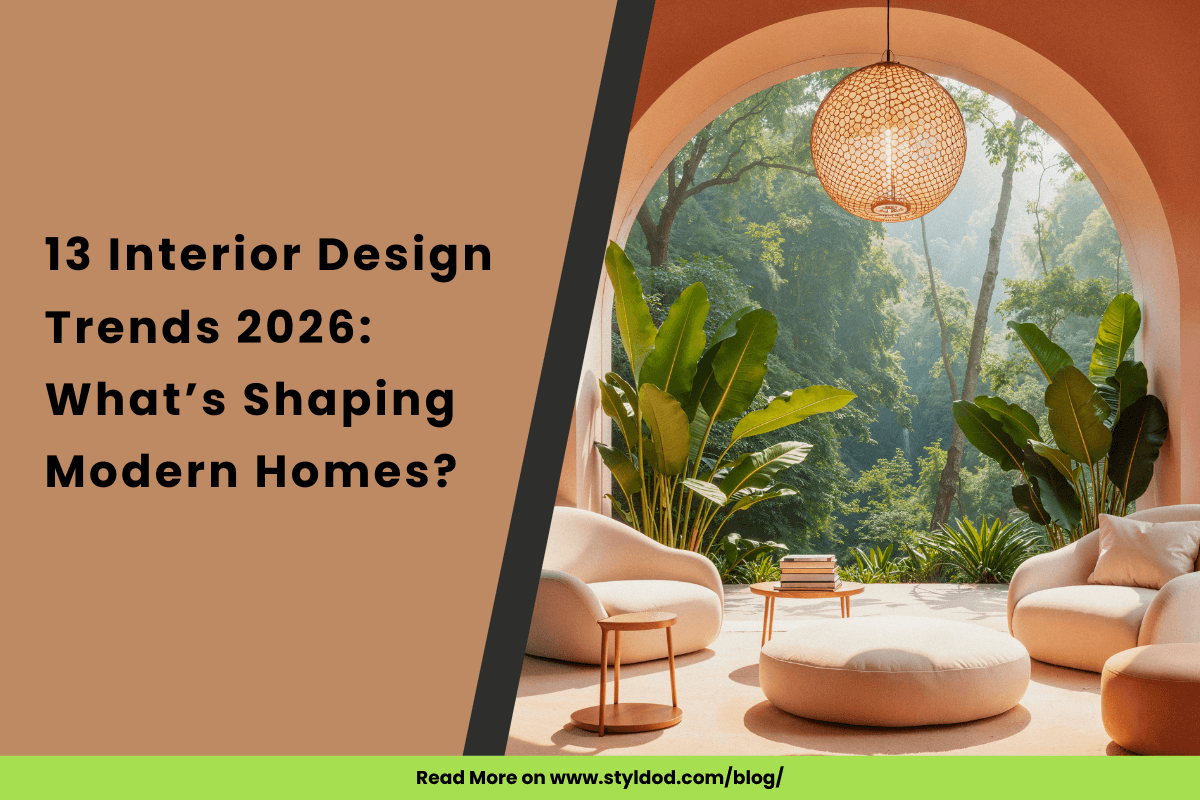
Plaster walls, arched openings, and sun-washed tones bring Mediterranean calm into modern homes.

Interior Design Trends 2026 for Different Spaces
Each area of the home reflects the broader trends in unique ways.
Living Rooms
Living rooms focus on conversation and comfort. Large sectional sofas, layered rugs, and ambient lighting dominate.
Kitchens
Kitchens feel more like living spaces. Natural stone countertops, concealed appliances, and warm wood cabinetry are key.
Bedrooms
Bedrooms emphasize rest. Soft textures, minimal furniture, and calming color palettes create a retreat-like atmosphere.
Bathrooms
Bathrooms resemble private spas, featuring:
- Stone or concrete sinks
- Walk-in showers
- Soft, indirect lighting
The Emotional Side of Interior Design in 2026
Perhaps the most overlooked aspect of interior design trends 2026 is emotion. Homes are designed to support mental health and personal expression.
Designers encourage clients to choose items with meaning—travel souvenirs, family heirlooms, or handmade objects. In reality, these personal touches matter more than perfect styling.
Spaces that feel authentic, slightly imperfect, and deeply personal are defining modern interiors.
FAQ
What makes interior design trends 2026 different from previous years?
The focus shifts from pure aesthetics to emotional comfort, sustainability, and adaptable living spaces.
Are bold colors popular in 2026 interiors?
Yes, but they are used thoughtfully alongside warm neutrals to maintain balance.
Is minimalism still relevant in 2026?
Minimalism evolves into a warmer, more layered style rather than stark simplicity.
How important is sustainability in interior design trends 2026?
Sustainability is essential, influencing material choices, furniture quality, and long-term design decisions.
Are smart homes becoming standard in interior design?
Yes, smart features are increasingly integrated discreetly into modern interiors.
What materials are trending most in 2026?
Natural wood, stone, plaster, linen, and recycled materials dominate interiors.
Can small homes follow interior design trends 2026?
Absolutely. Modular furniture and multifunctional spaces make trends accessible for small homes.
Conclusion
The interior design trends 2026 reflect a deeper shift in how people view their homes. Design is no longer about impressing guests—it’s about creating spaces that support daily life, emotional well-being, and long-term sustainability.
From earthy color palettes and tactile materials to invisible technology and purposeful layouts, 2026 interiors feel grounded yet forward-thinking. Homes become personal sanctuaries, shaped by intention rather than impulse.
In the end, the most important trend isn’t a color or material—it’s designing a home that truly feels like yours.