Introduction
The living room has quietly become the most emotionally loaded space in the home. It’s where we relax after long days, host guests, binge shows, and sometimes even work. That’s why interior design trends for living room spaces are no longer just about aesthetics—they’re about comfort, identity, and real life.
In recent years, homeowners have moved away from showroom-perfect layouts and toward spaces that feel lived-in, flexible, and personal. Design choices now reflect how people actually use their living rooms, not just how they look in photos.
Whether you’re planning a full renovation or just refreshing a tired space, understanding today’s trends helps you avoid costly mistakes and make choices that age well. Let’s explore what’s shaping modern living rooms right now—and why these ideas are resonating so strongly.

Evolution of Living Room Design
From Formal Sitting Rooms to Everyday Hubs
Living rooms were once formal spaces reserved for guests. Over time, lifestyles shifted, and so did design priorities. Today, living rooms are multifunctional zones that balance relaxation, entertainment, and productivity.
Designers now focus on adaptability—sofas that invite lounging, layouts that encourage conversation, and storage that hides everyday clutter without feeling bulky.
Why Trends Matter More Than Ever
Trends aren’t just fleeting styles anymore. They reflect deeper shifts in how people live, work, and socialize at home. Many interior design trends for living room layouts today are direct responses to remote work, smaller urban homes, and the desire for mental comfort.

Key Interior Design Trends for Living Room Spaces
Comfort-First Design Philosophy
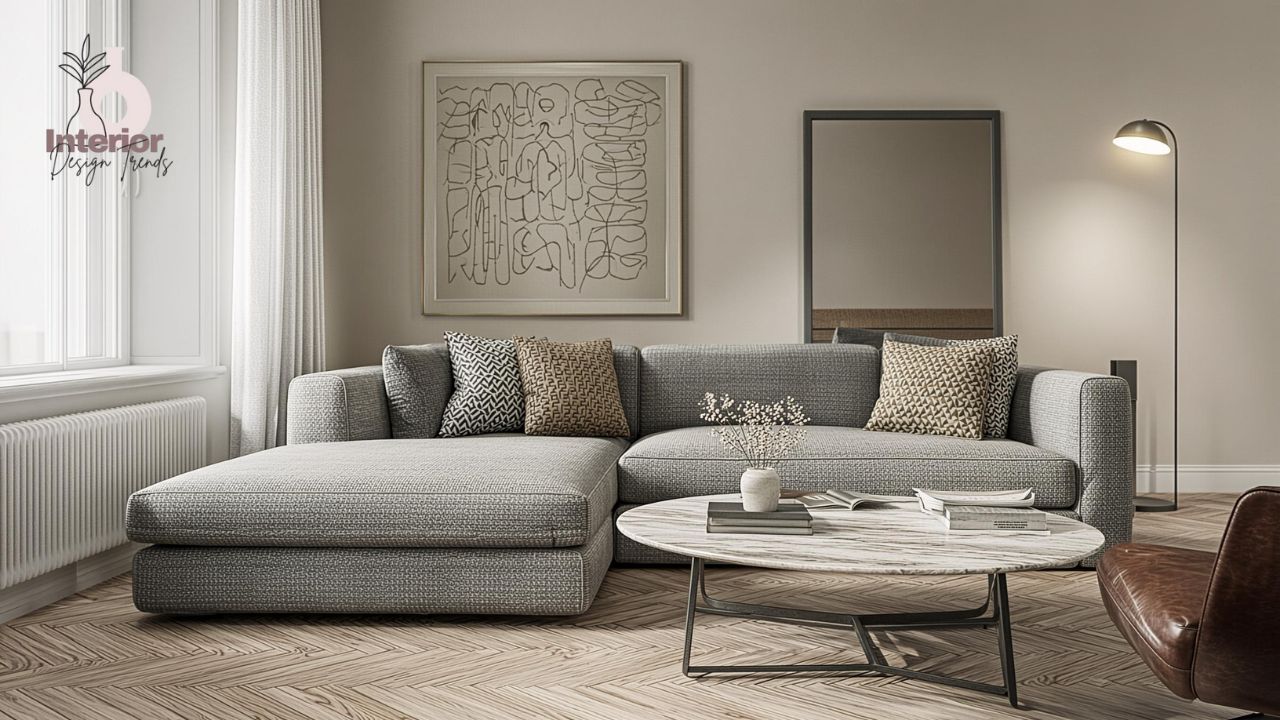
One of the strongest trends is prioritizing comfort without sacrificing style. Deep sofas, soft armchairs, and layered textiles dominate modern living rooms.
This doesn’t mean sloppy or casual. Instead, it’s about intentional comfort—pieces that look refined but feel inviting the moment you sit down.
Open Yet Zoned Layouts
Open-plan homes are still popular, but homeowners now want clearer zones. Area rugs, lighting variations, and furniture placement help define spaces without walls.
This approach makes large living rooms feel cozier and small ones more functional.

Color Trends Shaping Modern Living Rooms
Warm Neutrals Replace Cool Grays
Cool gray interiors are slowly fading. Warm neutrals—beige, taupe, sand, and soft clay—are taking over. These tones feel calmer and work beautifully with natural light.
They also create a perfect backdrop for bolder accents like dark wood or muted greens.
Earth Tones and Nature-Inspired Palettes
Earthy colors are dominating interior design trends for living room spaces. Think olive green, terracotta, rust, and deep browns. These shades ground a room emotionally and visually.
They’re especially popular in homes aiming for a relaxed, organic feel.
Strategic Use of Dark Colors
Dark walls aren’t off-limits anymore. Charcoal, deep navy, and forest green are being used to add drama—often balanced with lighter furniture and warm lighting.

Furniture and Layout Innovations
Low-Profile and Modular Furniture
Furniture is getting lower and more flexible. Modular sofas allow homeowners to reconfigure seating as needs change, which is ideal for both entertaining and everyday use.
This trend reflects a desire for furniture that grows with your lifestyle rather than locking you into one layout.
Curved Shapes Are Back
Straight lines are softening. Rounded sofas, arched mirrors, and circular coffee tables are making spaces feel more welcoming and less rigid.
Curves also help visually break up boxy rooms, especially in modern apartments.
Fewer Pieces, Better Quality
Instead of filling rooms with furniture, people are investing in fewer, higher-quality items. A well-made sofa or a statement chair now carries more weight than multiple average pieces.
Materials, Textures, and Finishes
Mixing Textures for Depth
Texture is one of the quiet heroes of current interior design trends for living room design. Bouclé fabrics, linen curtains, wool rugs, and raw wood surfaces add depth without overwhelming the space.
Rooms that rely only on color often feel flat. Texture solves that problem naturally.
Natural Materials Take Center Stage
Wood, stone, leather, and clay are everywhere. These materials age beautifully and add authenticity to interiors.
Even modern spaces benefit from a touch of raw, natural texture to soften clean lines.
Matte Over Glossy Finishes
High-gloss finishes are giving way to matte and satin surfaces. They feel more understated and reduce visual noise, especially in minimalist designs.

Lighting Trends That Change the Mood
Layered Lighting Is Essential
One ceiling light is no longer enough. Modern living rooms use layered lighting—ambient, task, and accent lighting—to create mood and flexibility.
Floor lamps, wall sconces, and table lamps all play a role.
Statement Lighting as Art
Lighting fixtures are becoming sculptural. A bold pendant or artistic floor lamp can double as decor while anchoring the room visually.
Warm Light Over Cool White
Warm lighting creates comfort. Cool white lights, once popular, now feel harsh in living spaces meant for relaxation.
Technology and Smart Living Rooms
Hidden Tech, Clean Aesthetics
Technology hasn’t disappeared—it’s just better hidden. Concealed cables, flush-mounted TVs, and integrated speakers keep spaces visually calm.
This approach aligns perfectly with modern interior design trends for living room aesthetics.
Smart Lighting and Climate Control
Smart bulbs and thermostats allow homeowners to adjust lighting and temperature with ease. These features enhance comfort without cluttering the room with gadgets.
Sustainability in Living Room Design
Conscious Material Choices
Sustainability is no longer optional. People are choosing furniture made from responsibly sourced wood, recycled fabrics, and low-VOC finishes.
These choices improve indoor air quality and reduce environmental impact.
Vintage and Second-Hand Pieces
Mixing vintage items with modern decor adds character and reduces waste. A restored coffee table or an inherited armchair often becomes the most meaningful piece in the room.

Personalization and Storytelling in Decor
Homes That Reflect Real Lives
Personal items—books, travel souvenirs, family photos—are no longer hidden. They’re intentionally styled to tell a story.
This shift makes living rooms feel authentic rather than staged.
Art With Emotional Value
Instead of generic prints, homeowners are choosing art that resonates personally. It might not match perfectly, but it feels right—and that matters more.
Breaking the Rules Confidently
One of the most refreshing interior design trends for living room styling is the freedom to break traditional rules. Mixing styles, eras, and colors is encouraged when done with intention.
Common Mistakes to Avoid
Overcrowding the Space
Too much furniture kills flow. Always leave room to move comfortably, especially in smaller living rooms.
Ignoring Scale and Proportion
A massive sofa in a tiny room—or tiny furniture in a large space—throws everything off. Scale matters more than trendiness.
Chasing Trends Blindly
Trends should guide, not dictate. If something doesn’t suit your lifestyle, skip it—even if it’s everywhere online.
FAQs
What are the most popular interior design trends for living room spaces right now?
Comfort-focused layouts, warm neutral colors, natural materials, and layered lighting are leading the way in modern living room design.
How often should living room design be updated?
Most designers recommend small updates every 3–5 years, such as new textiles or lighting, rather than full renovations.
Are neutral living rooms going out of style?
No. Neutrals are evolving, becoming warmer and richer rather than stark or gray-heavy.
Can small living rooms follow current trends?
Absolutely. Many interior design trends for living room layouts, like modular furniture and light color palettes, work especially well in small spaces.
Is minimalism still relevant?
Yes, but it’s softer now. Minimalism today focuses on warmth, texture, and comfort rather than stark emptiness.
How important is lighting in living room design?
Lighting is crucial. It affects mood, functionality, and how colors and textures appear in the space.
Are bold colors risky for living rooms?
Not if used thoughtfully. Accent walls, cushions, or art are safe ways to introduce bold tones.
What flooring works best with modern living room trends?
Wood, engineered flooring, and large-format tiles are popular for their durability and timeless look.
Conclusion
Living rooms are no longer just places to sit—they’re emotional anchors of the home. The latest interior design trends for living room spaces reflect a deeper desire for comfort, authenticity, and balance between style and real life.
By focusing on thoughtful layouts, warm colors, meaningful decor, and sustainable choices, you can create a living room that not only looks beautiful today but continues to feel right for years to come. Trends may evolve, but a well-designed living room always tells a story—and that story should feel unmistakably yours.