Introduction
Parenting isn’t supposed to feel like a constant uphill battle—yet for most people, it does. That’s exactly why parenting advice fpmomhacks has become such a buzzworthy approach: it promises smarter, simpler ways to handle everyday chaos without losing your sanity.
If you’re juggling school schedules, emotional meltdowns, and your own responsibilities, you don’t need generic advice—you need practical, tested strategies that actually work in real life. This article breaks down actionable techniques that help you parent more efficiently while building stronger connections with your kids.
The goal here isn’t perfection. It’s control, clarity, and consistency. Let’s get into what actually makes a difference.
What Is Parenting Advice FPMomHacks?
Parenting advice fpmomhacks is not about trendy shortcuts or viral tricks—it’s about systems thinking applied to parenting.
Definition
It refers to:
- Practical parenting strategies designed for efficiency
- Real-life solutions tested by busy parents
- Methods that reduce mental load and daily friction
This approach focuses on working smarter, not harder.

Why It Matters Today
Modern parenting has changed:
- More responsibilities than ever
- Less support systems
- Higher expectations
Without structure, burnout is inevitable. These hacks provide structure without rigidity.
Core Principles Behind Parenting Advice FPMomHacks
1. Reduce Decision Fatigue
Every small decision drains energy. Smart parents eliminate unnecessary choices.
Examples:
- Weekly meal plans
- Pre-set bedtime routines
- Fixed homework schedules
Less thinking = more energy for meaningful parenting.
2. Create Repeatable Systems
Random parenting leads to chaos. Systems create predictability.
Key systems to implement:
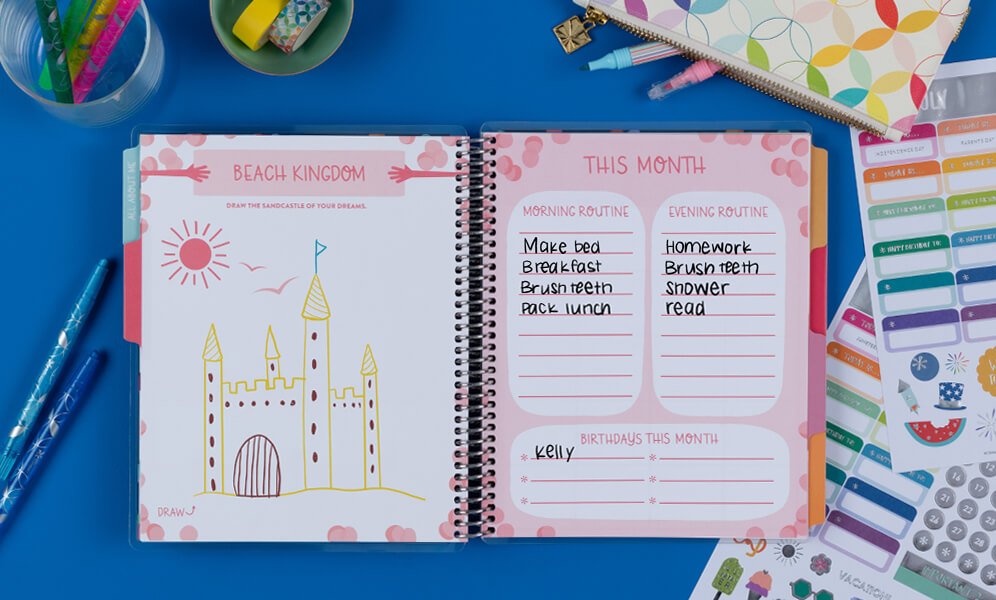
- Morning routine checklist
- After-school workflow
- Weekend reset routine
Consistency reduces stress for both parent and child.
Daily Life Optimization Using Parenting Advice FPMomHacks
Morning Routine Simplification
Mornings are usually the most stressful part of the day.
Fix it with structure:
- Lay out clothes the night before
- Prepare school bags in advance
- Use visual checklists for kids
Evening Wind-Down Systems
Evenings should not feel like a second shift.
Smart adjustments:
- Batch cook meals
- Set a fixed “no screens” time
- Create a calming bedtime ritual


These systems reduce arguments and improve sleep patterns.
Behavioral Management Without Constant Conflict
Use Predictable Consequences
Kids don’t respond well to random discipline.
Instead:
- Set clear rules
- Define outcomes in advance
- Follow through consistently
Shift From Reaction to Prevention
Most parenting problems are predictable.
Prevent issues by:
- Setting expectations early
- Keeping kids engaged
- Avoiding overstimulation
This approach minimizes daily friction.
Smart Communication Techniques
Speak Less, Mean More
Over-explaining weakens authority.
Better approach:
- Use short, clear instructions
- Maintain calm tone
- Avoid emotional escalation
Build Emotional Awareness
Kids need guidance, not suppression.
Encourage:
- Naming emotions
- Expressing feelings safely
- Problem-solving discussions
This builds long-term emotional intelligence.
Parenting Advice FPMomHacks for Working Parents
Balancing work and parenting requires precision.
Time Blocking Strategy
Divide your day into:
- Work blocks
- Family blocks
- Personal recovery time
No overlap. No chaos.
Delegate and Automate
You don’t need to do everything manually.
Examples:
- Use grocery delivery
- Automate bill payments
- Assign age-appropriate chores


Efficiency is the goal—not overexertion.
Building Independence in Children
Stop Doing Everything for Them
Overhelping creates dependency.
Start teaching:
- Self-dressing
- Cleaning up
- Basic decision-making
Encourage Problem-Solving
Instead of giving answers:
- Ask guiding questions
- Let them try and fail
- Support without taking over
This builds resilience.
Discipline That Actually Works
Replace Punishment with Structure
Punishment creates fear. Structure builds understanding.
Use:
- Clear rules
- Consistent routines
- Logical consequences
Focus on Behavior, Not Personality
Avoid labels like:
- “You’re lazy”
- “You’re difficult”
Instead:
- Address specific actions
- Reinforce positive behavior
Managing Screen Time Without Daily Battles
Set Clear Boundaries
Don’t negotiate daily.
Define:
- Screen hours
- Allowed content
- Device-free zones
Replace, Don’t Just Remove
If you take screens away without alternatives, expect resistance.
Offer:
- Creative activities
- Outdoor play
- Interactive games
Balance is key.
Mental Health for Parents
Accept Imperfection
Perfection is unrealistic and harmful.
Focus on:
- Progress
- Consistency
- Effort
Schedule Recovery Time
You can’t pour from an empty cup.
Non-negotiables:
- Personal downtime
- Sleep
- Social connection
Burnout destroys parenting quality.
Financial Efficiency in Parenting
Budget Smartly
Kids are expensive—but waste is optional.
Cut unnecessary costs:
- Avoid impulse buying
- Reuse and recycle
- Buy in bulk
Teach Kids About Money Early
Introduce:
- Saving habits
- Value of money
- Delayed gratification
This prevents entitlement
FAQ Section
Frequently Asked Questions
What makes parenting advice fpmomhacks different from regular parenting tips?
It focuses on systems and efficiency rather than general advice. It’s about reducing effort while improving results.
How quickly can I see results using these methods?
Some changes work immediately (like routines), while behavioral improvements take consistent application over weeks.
Is this approach suitable for toddlers and teenagers?
Yes, but strategies should be adjusted based on age and developmental stage.
Can these methods reduce parenting stress?
Yes—structured routines and reduced decision-making significantly lower daily stress.
Do I need special tools or apps?
No. Most methods rely on mindset and organization rather than tools.
What if my child resists new routines?
Resistance is normal. Consistency is the solution—not negotiation.
How many routines should I implement at once?
Start with 1–2 key areas (morning or bedtime) before expanding.
Is strict discipline part of this method?
No. The focus is on consistency and clarity, not harsh discipline.
Conclusion
Parenting doesn’t need to feel overwhelming every single day. The reality is, most stress comes from disorganization, inconsistency, and unrealistic expectations—not the kids themselves.
The real value of parenting advice fpmomhacks lies in simplifying your approach. When you remove unnecessary complexity, set clear systems, and stay consistent, everything changes: behavior improves, stress drops, and your relationship with your children becomes stronger.
This isn’t about being a perfect parent. It’s about being an effective one.