Introduction
Before tragedy strikes in Romeo and Juliet, something else quietly takes shape: fear. Many readers ask, what is Romeo’s fear, and the answer reveals more than teenage nerves or romantic anxiety. His fear shapes his choices, deepens the tension, and ultimately guides the story toward its heartbreaking end.
Romeo is often remembered as passionate and impulsive. But beneath his bold declarations of love lies a constant unease. From his early melancholy to his final desperate act, fear follows him like a shadow. Understanding what is Romeo’s fear helps us see him not as a reckless lover, but as a young man struggling against forces he believes are beyond his control.
Shakespeare carefully weaves fear into Romeo’s journey. It is not just fear of losing Juliet. It is fear of fate, fear of destiny, and fear of being powerless in a world ruled by violence and family hatred.
Romeo’s Emotional World Before Juliet
Romeo’s fear begins long before he meets Juliet. At the start of the play, he is deeply troubled by unreturned love for Rosaline. His sadness is dramatic, intense, and full of confusion.
Fear of Rejection and Emotional Isolation
Romeo feels abandoned and misunderstood. He hides from daylight. He avoids his friends. His words are full of contradictions — love feels like hate, light feels like dark. This emotional instability reveals an early pattern: he fears being alone and unloved.
Even before tragedy enters the story, fear shapes his identity. He worries that love may never truly be his.
After two paragraphs, Romeo’s mood can be visualized as internal conflict between hope and despair.


What Is Romeo’s Fear About Fate?
One of the clearest answers to what is Romeo’s fear appears before he attends the Capulet party. He senses something terrible will happen.
The Premonition Before the Party
On the way to the feast, Romeo says he fears that the night will begin events that will lead to his early death. He feels as if “some consequence yet hanging in the stars” will begin that evening.
This moment is crucial. Romeo believes in fate. He believes the stars control his life. His fear is not random — it is a fear of destiny unfolding.
Fear of Being Controlled by Forces Beyond Him
Romeo feels powerless. He does not believe he can escape what is written for him. This creates a deep internal tension:
- He wants love.
- He wants happiness.
- But he fears the cost.
His fear of fate makes every joyful moment fragile.
Fear in Love: Losing Juliet
When Romeo meets Juliet, his earlier fear does not disappear. It transforms.
Fear of Losing What He Loves
After Tybalt kills Mercutio and Romeo kills Tybalt in revenge, he is banished. At that moment, his greatest fear becomes separation from Juliet.
He says exile is worse than death. For Romeo, being away from Juliet is like living in a world without air. This emotional intensity shows that love and fear are deeply connected for him.
Fear of Juliet’s Death
Later in the play, when Romeo hears that Juliet is dead, fear becomes reality. His reaction is immediate and extreme. He does not pause. He does not investigate. He acts.
This response shows that Romeo’s deepest fear has always been losing Juliet. When he believes it has happened, he chooses death rather than life without her.
Fear and love merge in one of the play’s most famous moments.


Fear of Violence and Family Conflict
The feud between the Montagues and Capulets creates constant danger.
Living in a World of Hatred
Romeo does not enjoy fighting. Unlike Tybalt, he prefers peace. After secretly marrying Juliet, he refuses to duel Tybalt. He even calls Tybalt “cousin,” though no one else knows why.
This moment reveals another layer of what is Romeo’s fear. He fears the destruction caused by hatred. But he cannot fully escape it.
When Mercutio dies, Romeo’s fear turns into anger. He feels trapped by the feud. His fear of dishonor and grief pushes him to violence, leading to exile.
Fear of Dishonor
In Elizabethan culture, reputation mattered deeply. Romeo fears being seen as weak. When Mercutio is killed, he feels ashamed for standing aside.
This fear of dishonor leads him to act against his better judgment. Once again, fear drives tragedy.
Fear of Time and Urgency
Romeo constantly acts quickly. He falls in love quickly. He marries quickly. He decides to die quickly.
Impulsiveness Rooted in Fear
His speed suggests anxiety. He fears waiting. He fears delay. He fears losing the moment.
In psychology, intense fear can lead to impulsive decisions. Romeo’s behavior fits this pattern. He believes every moment matters because time might steal happiness away.
The Final Fear: Life Without Meaning
When Romeo believes Juliet is dead, he says he will “shake the yoke of inauspicious stars.” His final act is not just about grief. It is about reclaiming control.
Ironically, in trying to defeat fate, he fulfills it.
Many literary scholars discuss Romeo as a tragic hero whose fatal flaw is impulsiveness, but that impulsiveness grows from fear — fear of destiny, loss, and helplessness.
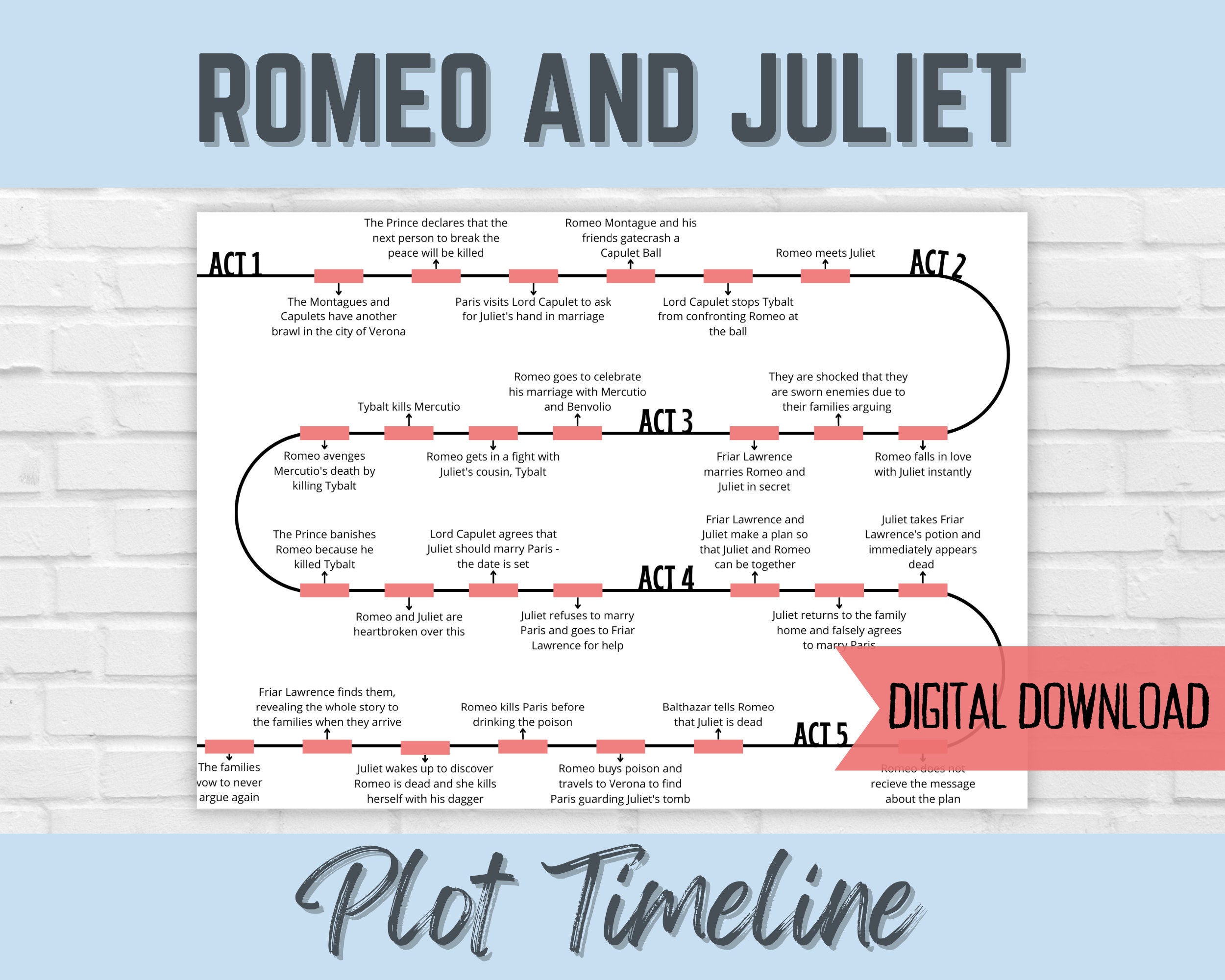
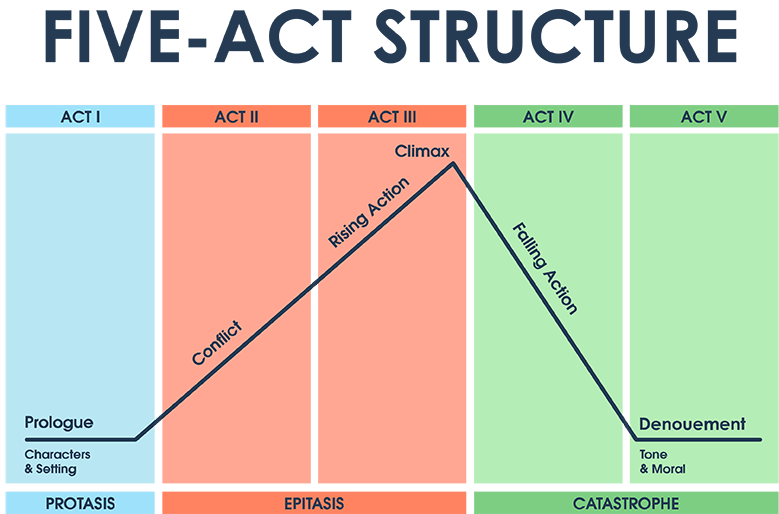
Visual Timeline of Romeo’s Fear (Infographic)

How Fear Shapes the Tragedy
When asking what is Romeo’s fear, we must also ask why it matters.
Fear drives:
- His decision to attend the party despite his premonition
- His reaction to Mercutio’s death
- His despair in exile
- His final decision in the tomb
Without fear, Romeo might have waited. He might have questioned the news. He might have survived.
Fear transforms love into urgency and urgency into tragedy.
Psychological Interpretation of Romeo’s Fear
Modern readers sometimes view Romeo as dramatic or immature. But his fear reflects genuine human experience.
Adolescence and Emotional Intensity
Romeo is young. Adolescence is often marked by:
- Heightened emotion
- Strong attachment
- Fear of abandonment
- Desire for meaning
His fear feels real because it mirrors the emotional storms of youth.
Existential Anxiety
Romeo fears that his life is controlled by something greater. This resembles existential anxiety — the fear that life lacks control or certainty.
Shakespeare presents a character who feels deeply and fears deeply. That combination makes him both relatable and tragic.
FAQ
Frequently Asked Questions
What is Romeo’s fear before the Capulet party?
He fears that attending the party will trigger events leading to his death. He senses fate is working against him.
Does Romeo fear death itself?
Not exactly. He fears losing Juliet more than death. In fact, he chooses death over separation.
Is Romeo afraid of Tybalt?
He does not show personal fear of Tybalt. However, he fears the consequences of violence between their families.
How does fate connect to what is Romeo’s fear?
Romeo believes the stars control his life. His fear centers on destiny being unavoidable.
Why does Romeo act so quickly?
His impulsiveness comes from anxiety. He fears losing love and happiness if he waits.
Is Romeo’s fear a weakness?
It contributes to his tragic flaw. But it also shows emotional depth and humanity.
Does Juliet share similar fears?
Yes. Juliet also fears separation and death. However, she shows more patience and strategic thinking.
Could the tragedy have been avoided if Romeo controlled his fear?
Possibly. If he had waited before taking poison, he would have seen Juliet awaken.
Conclusion
In the end, asking what is Romeo’s fear reveals the emotional heart of Romeo and Juliet. His fear is not simple cowardice. It is layered and complex. He fears fate, loss, dishonor, and a life without love.
Shakespeare does not present Romeo as fearless or foolish. He presents him as human. His fear makes his love more intense. It makes his choices more urgent. And it makes the tragedy unforgettable.
Romeo’s story reminds us that fear, when left unchecked, can shape destiny as powerfully as love itself.