Introduction
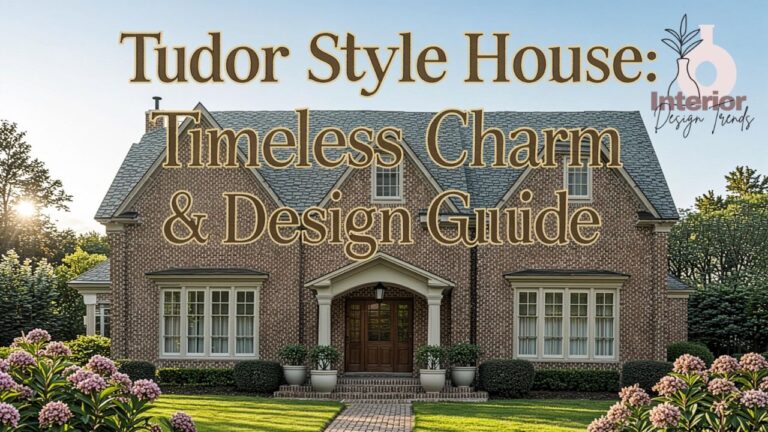
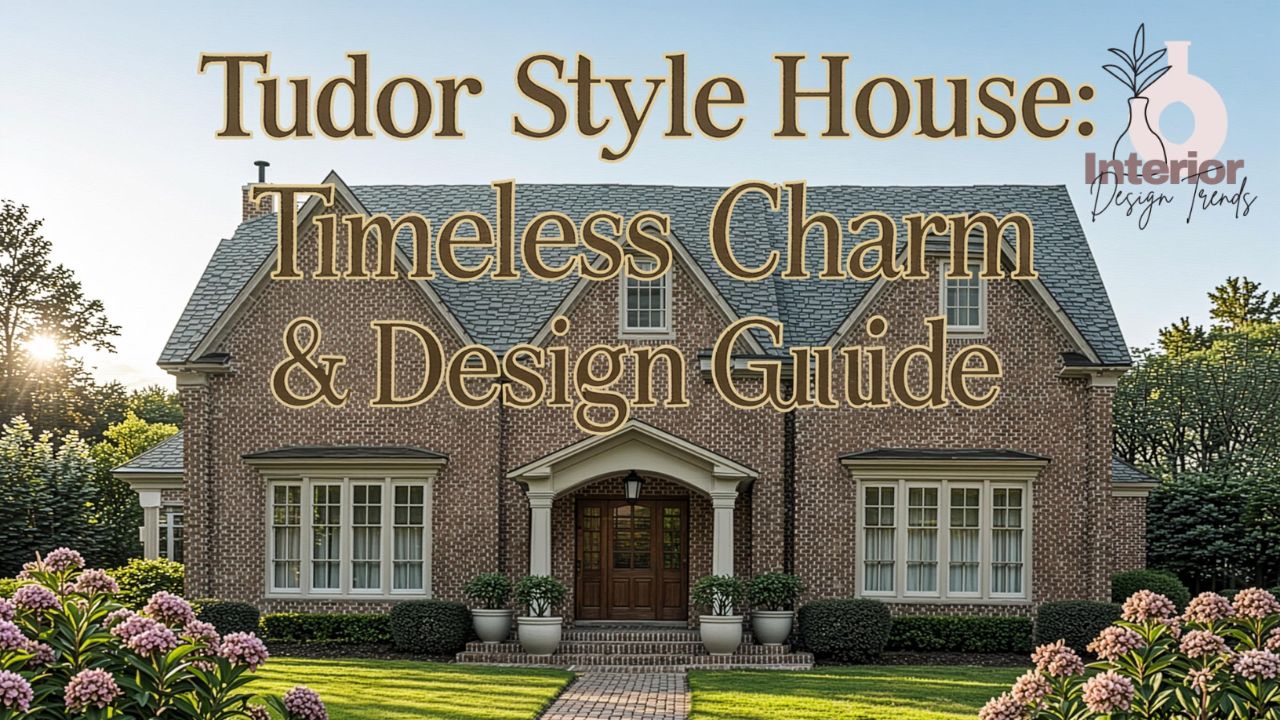
There’s something undeniably captivating about a tudor style house—the steep gables, the charming half-timbering, and that storybook-like presence that instantly feels warm and inviting. It’s a design that doesn’t just stand out; it tells a story of history, craftsmanship, and timeless elegance.
For homeowners, designers, and architecture enthusiasts alike, understanding what makes this style so iconic isn’t just about aesthetics—it’s about appreciating a heritage that continues to inspire modern living. Whether you’re dreaming of building one or simply want to recreate its cozy charm, diving into this architectural style opens up a world of character and detail.
What Is a Tudor Style House?
A tudor style house is a residential architectural design inspired by medieval English homes from the Tudor period (late 1400s to early 1600s). These homes became especially popular in the United States during the early 20th century, blending historical elements with modern functionality.
Key Characteristics
- Steeply pitched gable roofs
- Decorative half-timbering with stucco or brick infill
- Tall, narrow windows often with multiple panes
- Prominent chimneys
- Asymmetrical layouts
These elements combine to create a home that feels both dramatic and welcoming.
The History Behind Tudor Architecture
Originating in England during the Tudor dynasty, this style reflected a transition from medieval to early modern architecture. Initially built with timber framing and wattle-and-daub walls, these homes were practical yet visually striking.
By the 1920s and 1930s, the style experienced a revival in America. Builders adapted the look using modern materials while preserving its historic charm. Today, the tudor style house remains a symbol of elegance and tradition.


Exterior Features of a Tudor Style House
Half-Timbering Details
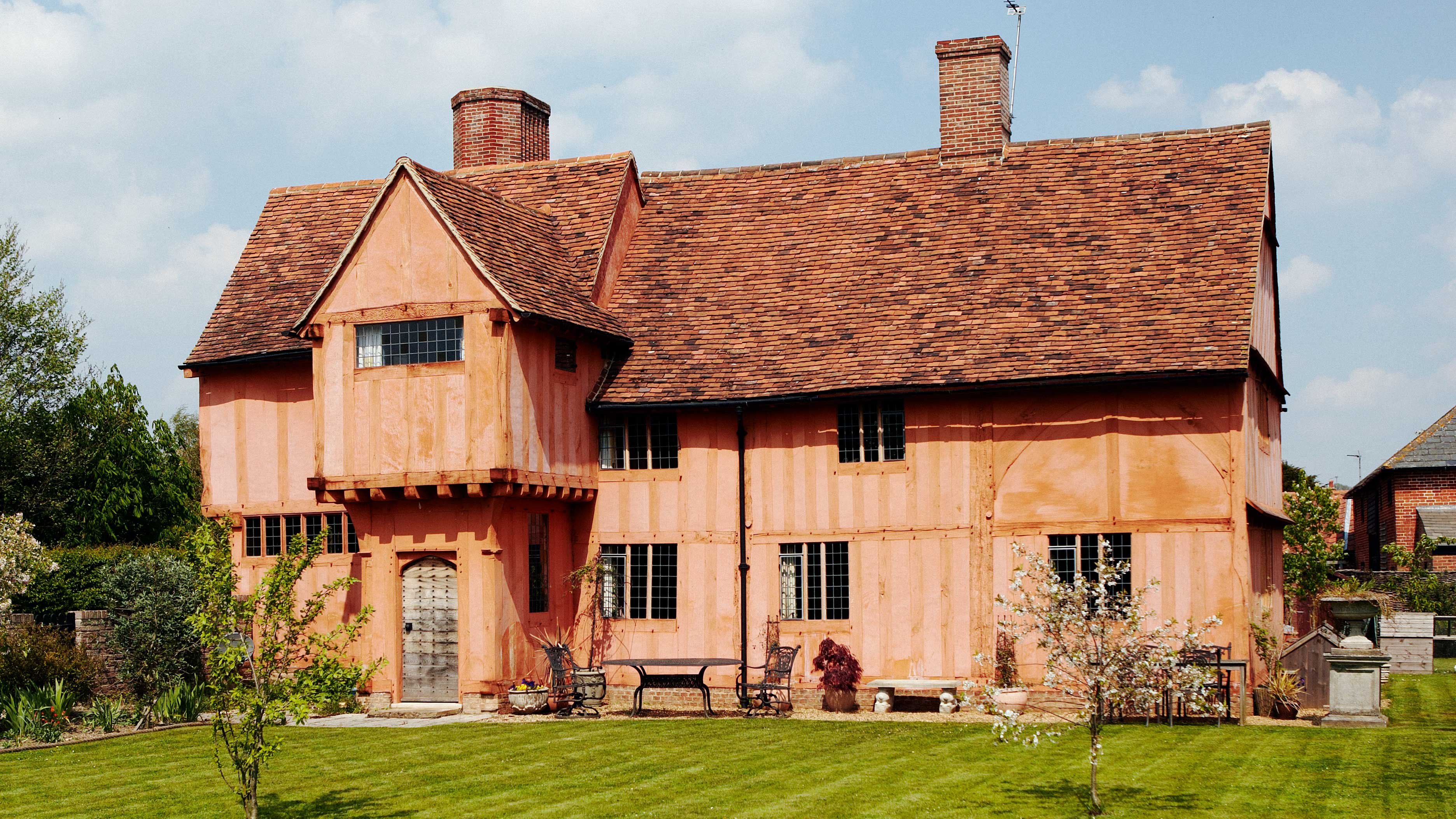
One of the most recognizable features is exposed wooden beams on the exterior. These beams form decorative patterns against light-colored plaster or stucco.
Roof Design
Tudor homes are known for steeply pitched roofs, often intersecting at different angles. This adds visual complexity and helps shed rain and snow efficiently.
Chimneys as Statement Pieces
Large, ornate chimneys are not just functional—they’re a defining aesthetic element. Many feature decorative brickwork.
Windows and Doors
- Tall and narrow windows
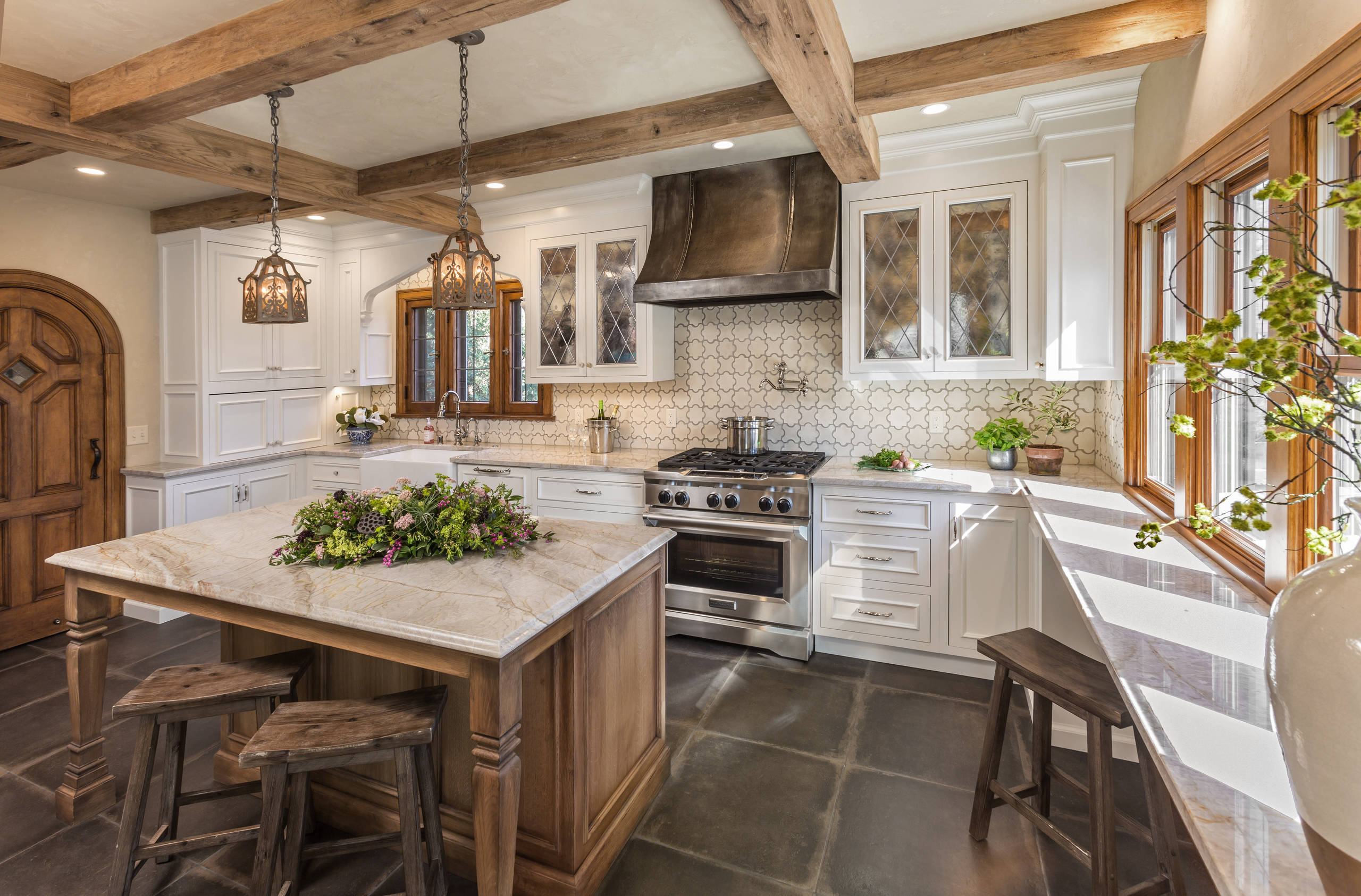
- Leaded glass with diamond patterns
- Arched wooden doors with iron hardware
These features contribute to the old-world charm.
Interior Design Elements
The beauty of a tudor style house extends well beyond the exterior. Inside, you’ll find a warm, cozy atmosphere filled with rich textures and traditional craftsmanship.
Wood as a Dominant Material
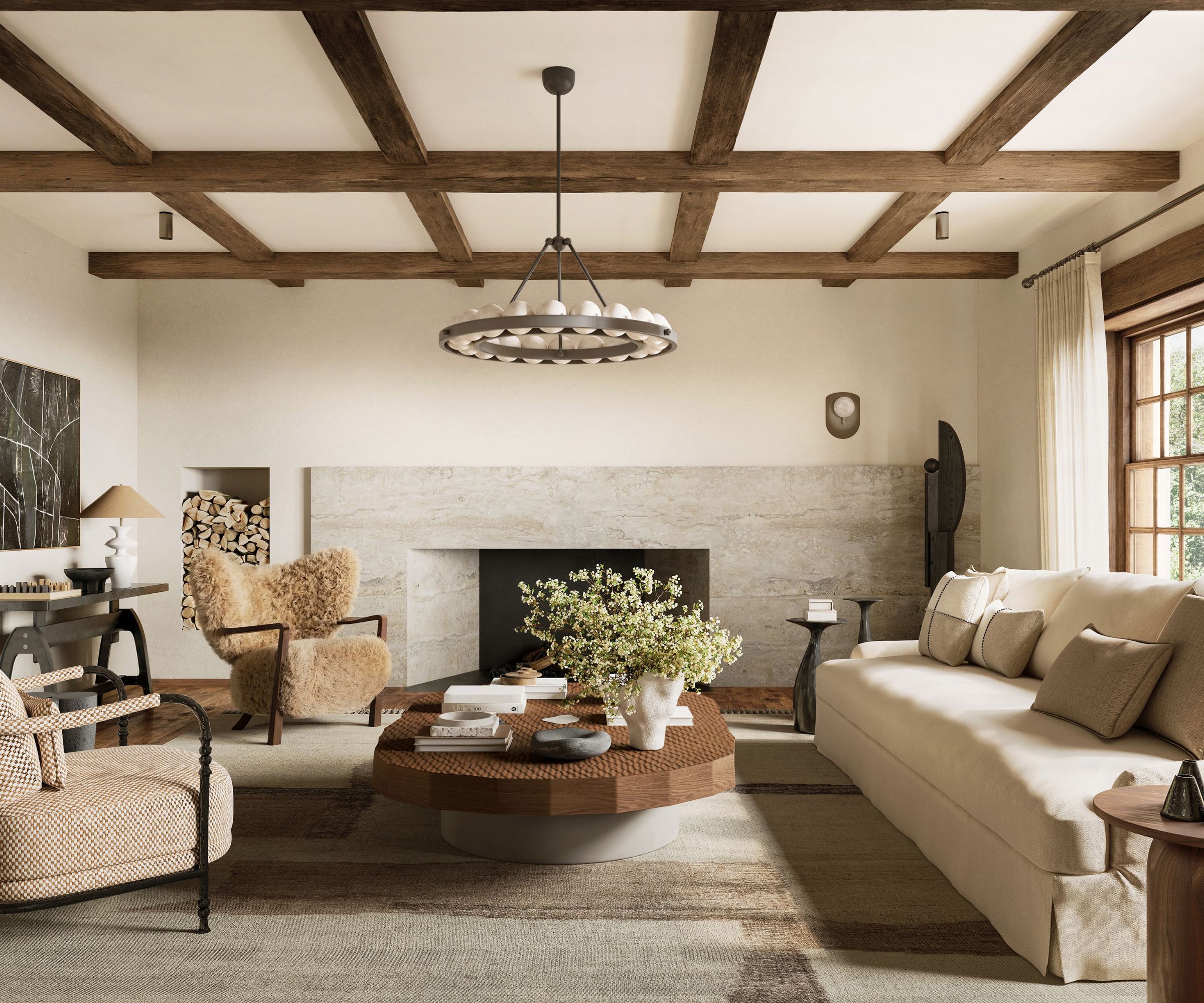
Dark wood beams often stretch across ceilings, while hardwood floors add depth and warmth. Paneling is also common in living and dining spaces.
Fireplaces as Focal Points
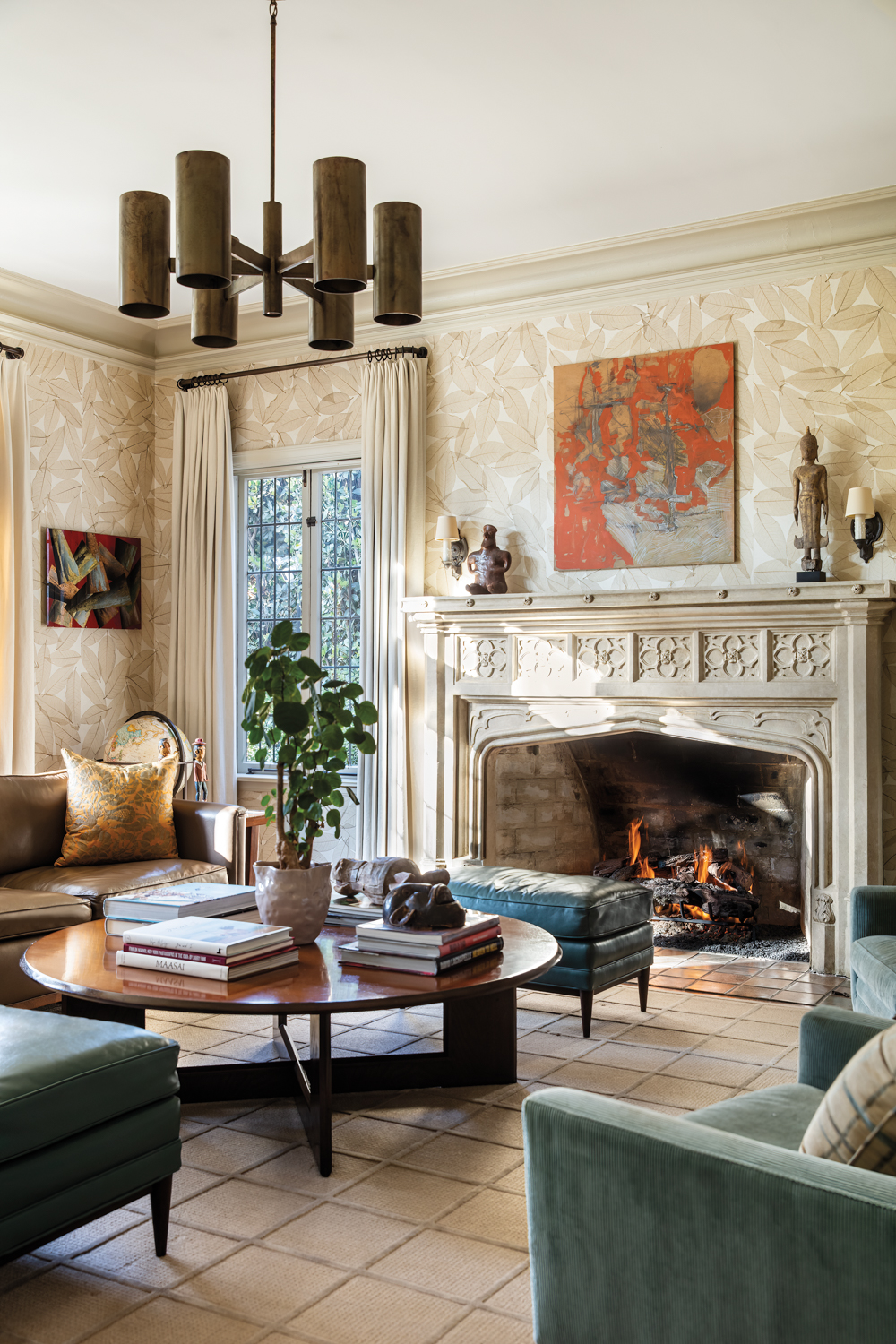
Large stone or brick fireplaces anchor the main living areas, creating a cozy gathering space.
Color Palette
Expect earthy tones like:
- Deep browns
- Forest greens
- Warm creams
- Muted reds
These colors reinforce the historical feel.
Why Homeowners Love Tudor Style Houses
Timeless Appeal
Unlike trendy designs, this style never feels outdated. Its historical roots give it enduring charm.
Unique Character
No two Tudor homes are exactly alike. Their asymmetrical layouts and handcrafted details make each one distinctive.
Cozy Atmosphere
The use of natural materials and warm colors creates a sense of comfort that modern minimalist homes often lack.
Modern Adaptations of Tudor Homes
While traditional designs are beautiful, modern homeowners often adapt the style for practicality.
Updated Layouts
Open floor plans replace compartmentalized rooms, making spaces feel larger and more connected.
Energy Efficiency
Modern insulation, double-glazed windows, and energy-efficient systems improve comfort without sacrificing style.
Blending Old and New
Many designers mix classic Tudor elements with contemporary finishes, creating a balanced look.
Building a Tudor Style House Today
Constructing a tudor style house requires attention to detail and skilled craftsmanship.
Materials to Consider
- Brick or stone for durability
- Stucco for authenticity
- Timber accents for visual appeal
Budget Considerations
Tudor homes can be more expensive due to:
- Complex rooflines
- Custom woodwork
- Detailed masonry
However, the investment often pays off in long-term value and curb appeal.
Decorating Tips for Authentic Tudor Charm
Furniture Choices
Opt for:
- Heavy wooden furniture
- Upholstered pieces with classic patterns
- Antique or vintage accents
Lighting
Choose wrought iron fixtures or chandeliers to enhance the medieval aesthetic.
Textiles
Layering is key:
- Rugs
- Tapestries
- Curtains in rich fabrics


Common Mistakes to Avoid
- Over-modernizing the design
- Ignoring proportion and scale
- Using cheap materials that mimic authentic elements
- Neglecting exterior details like timber patterns
Maintaining authenticity is crucial for preserving the style’s charm.
Pros and Cons of Tudor Style Houses
Pros
- Distinctive and elegant appearance
- Strong resale value
- Rich historical character
Cons
- Higher construction costs
- Maintenance of wood and stucco
- Limited natural light due to smaller windows
How to Identify a Tudor Style House
If you’re house hunting, look for these signs:
- Decorative timber framing
- Steep rooflines
- Brick or stucco exteriors
- Tall chimneys
- Casement windows
Spotting these features makes it easy to recognize a genuine tudor style house.
FAQ Section
Frequently Asked Questions
What defines a tudor style house?
A tudor style house is defined by its steep roofs, decorative half-timbering, tall windows, and use of brick or stucco exteriors inspired by medieval English architecture.
Are Tudor homes expensive to build?
Yes, they can be more costly due to intricate details, custom woodwork, and complex roof designs, but they offer long-term value.
Can you modernize a tudor style house?
Absolutely. Many homeowners update interiors while preserving exterior features to maintain authenticity.
Are Tudor houses energy efficient?
Older ones may not be, but modern versions can be highly efficient with updated insulation and windows.
What colors suit a tudor style house?
Earthy tones like brown, cream, green, and muted red work best to complement the traditional aesthetic.
Do Tudor homes require high maintenance?
They can require more upkeep, especially for wood elements and stucco, but proper care keeps them in excellent condition.
Where are Tudor homes most common?
They are popular in the UK and the United States, especially in older suburban neighborhoods.
Is a tudor style house suitable for small lots?
Yes, but the design’s complexity may need adjustments to fit smaller spaces effectively.
Conclusion
A tudor style house is more than just an architectural choice—it’s a celebration of history, craftsmanship, and enduring beauty. From its striking exterior to its cozy interiors, every detail tells a story that continues to resonate with homeowners today.
Whether you’re building from scratch, renovating, or simply drawing inspiration, embracing this style means choosing character over trends and timeless elegance over fleeting design fads.