Introduction
What if living more ethically didn’t feel overwhelming or restrictive? What if small, thoughtful choices could create a ripple effect for your health, the planet, and animals? That’s the idea behind veganizoo.com—a space built around mindful, compassionate living without guilt or pressure.
In a world where information is scattered and often confusing, veganizoo.com offers clarity. It brings together practical advice, honest conversations, and realistic strategies for anyone curious about plant-based living. Whether you are fully vegan or simply exploring better choices, this topic matters because our everyday habits shape both personal well-being and the environment around us.
The modern consumer is more aware than ever. Questions about sustainability, animal welfare, and health are no longer niche. They are mainstream concerns. A trusted source can make the difference between frustration and confidence.
That is why understanding what veganizoo.com represents—and how it can guide your journey—is worth your time.
Understanding veganizoo.com and Its Mission
At its core, veganizoo.com promotes a compassionate lifestyle rooted in informed decision-making. It is not about perfection. It is about progress.
The platform focuses on three interconnected pillars:
- Ethical treatment of animals
- Sustainable environmental practices
- Balanced plant-based nutrition


The name itself suggests a shift in perspective. Instead of viewing animals as commodities, it invites readers to see them as beings deserving respect. This philosophical foundation shapes the tone and content found throughout the platform.
Unlike extreme or judgmental messaging, the approach here is educational. Readers learn why certain choices matter and how to implement them without turning their lives upside down.
The Rise of Plant-Based Living
Why More People Are Going Vegan
Over the past decade, interest in plant-based diets has surged worldwide. People are motivated by:
- Health improvements
- Climate concerns
- Animal welfare awareness
- Ethical consumerism

Many individuals report improved digestion, better energy levels, and greater awareness of what they consume. While results vary from person to person, the shift toward mindful eating reflects broader cultural changes.
Beyond Diet: A Lifestyle Choice
Vegan living extends beyond food. It includes:
- Cruelty-free cosmetics
- Sustainable fashion
- Ethical travel
- Conscious spending
This broader framework is what makes veganizoo.com more than a recipe hub. It is a lifestyle resource.
Health Foundations of a Vegan Lifestyle
What Is a Balanced Plant-Based Diet?
A balanced vegan diet includes:
- Whole grains (brown rice, oats, quinoa)
- Legumes (lentils, chickpeas, beans)
- Fruits and vegetables
- Nuts and seeds
- Plant-based protein sources
It also requires attention to nutrients such as vitamin B12, iron, omega-3 fatty acids, and calcium.
According to the <a href=”https://www.forbes.com/health/body/benefits-of-a-vegan-diet/” target=”_blank”>Forbes overview of vegan diet benefits</a>, many people experience improved heart health markers when adopting a well-planned plant-based approach.


The key phrase is “well-planned.” Simply removing animal products without replacing nutrients properly can lead to deficiencies. Reliable educational resources help readers avoid common pitfalls.
Common Myths About Vegan Nutrition
- “You can’t get enough protein.”
Legumes, tofu, tempeh, and seitan provide substantial protein. - “Vegan diets are expensive.”
Staples like beans, rice, and seasonal vegetables are often affordable. - “It’s too restrictive.”
With global cuisine inspiration, options are broader than many expect.
Clear information reduces fear and confusion. That is part of the value thoughtful platforms provide.
Environmental Impact and Sustainability
Animal agriculture contributes significantly to greenhouse gas emissions, land use, and water consumption. Shifting even partially toward plant-based meals can reduce environmental pressure.
Environmental sustainability includes:
- Lower carbon footprint
- Reduced water use
- Decreased deforestation
- Biodiversity protection
When individuals understand these connections, lifestyle changes feel meaningful rather than trendy.
veganizoo.com explores these environmental links without overwhelming readers. Instead of shaming, it presents practical steps:
- Start with one plant-based day per week
- Swap dairy milk for plant milk
- Reduce food waste
- Support local farmers
Small changes, repeated consistently, add up.
Ethical Considerations and Animal Welfare
At the heart of vegan philosophy lies compassion for animals. Modern factory farming systems often prioritize efficiency over welfare. Ethical concerns drive many to reconsider consumption habits.
Animal welfare discussions typically focus on:
- Confinement practices
- Slaughter methods
- Breeding conditions
- Wildlife habitat loss
Learning about these realities can be uncomfortable. However, informed awareness empowers better decisions.
veganizoo.com frames these conversations in a balanced way. It encourages reflection rather than confrontation. Readers can evaluate their own values and move at a pace that feels sustainable.
Practical Transition Strategies
Starting Small
A sudden, complete overhaul is not necessary for everyone. Gradual shifts are often more sustainable.
Here are realistic starting points:
- Replace one meal a day with plant-based options
- Learn three simple vegan recipes
- Explore meat alternatives slowly
- Read ingredient labels carefully
Consistency matters more than speed.
Building a Support System
Change is easier with community. Online forums, local meetups, and social media groups help people share experiences and recipes.
Cooking together, sharing grocery lists, and celebrating milestones can strengthen motivation. Even following structured guidance through educational resources makes the process smoother.
Grocery Shopping and Meal Planning
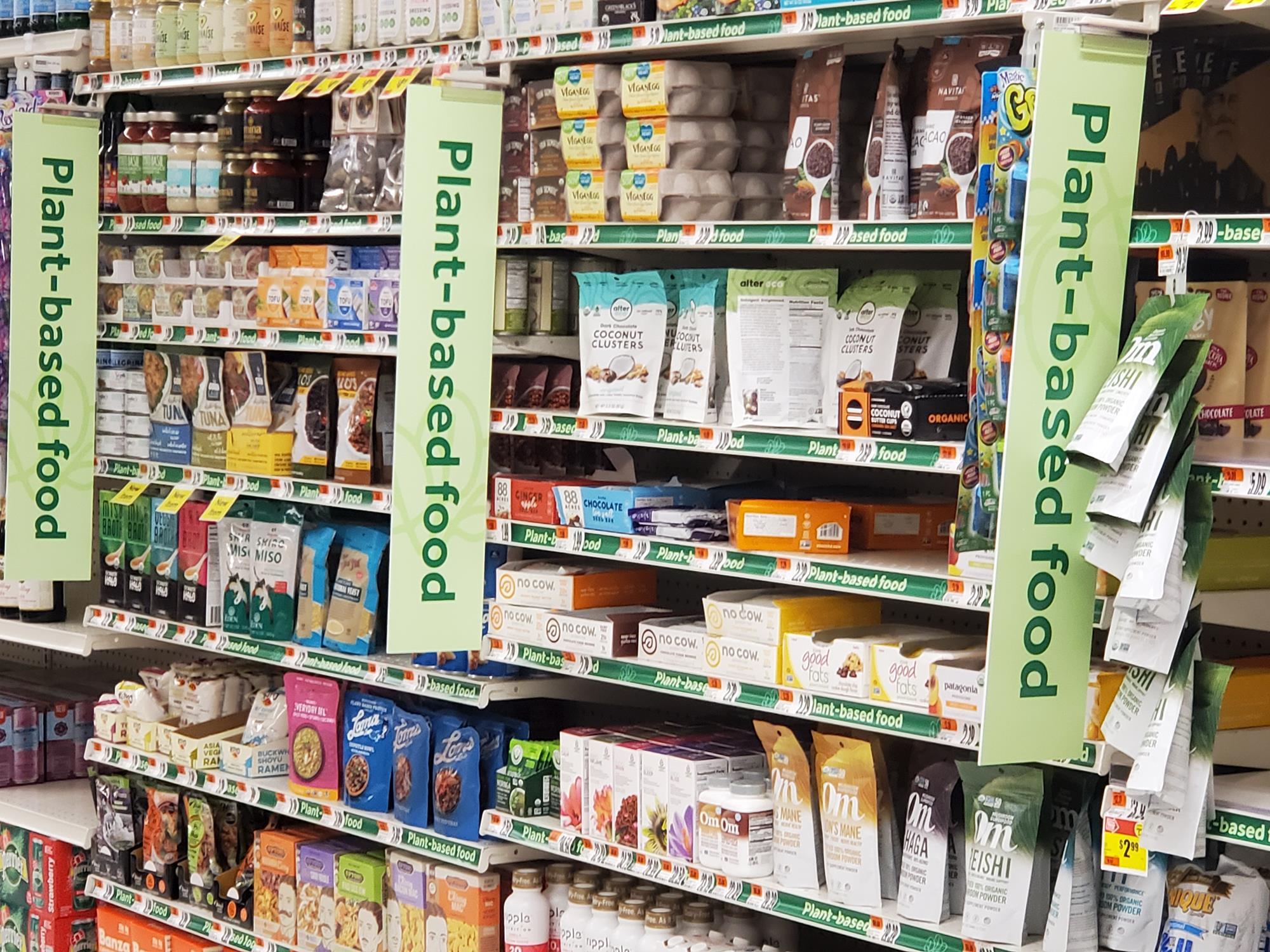
One major barrier to change is uncertainty at the grocery store. Labels can be confusing, and new products may feel unfamiliar.
A simple strategy includes:
- Shop the perimeter for fresh produce.
- Stock pantry staples like lentils and whole grains.
- Choose minimally processed plant proteins.
- Keep healthy snacks on hand.
Meal planning also reduces stress. Preparing food in advance saves time and money. It helps prevent impulsive choices driven by convenience.
Vegan Living Beyond Food
Fashion and Clothing
Many fabrics and materials come from animals, including leather, wool, silk, and fur. Ethical fashion alternatives now include:
- Plant-based leather
- Recycled synthetic materials
- Organic cotton
Consumers can research brands that align with their values.
Beauty and Personal Care
Cruelty-free and vegan cosmetics avoid animal testing and animal-derived ingredients. Reading labels and verifying certifications ensures informed choices.
Travel and Leisure
Responsible travel may include:
- Avoiding wildlife exploitation venues
- Supporting eco-lodges
- Choosing plant-forward restaurants
Living ethically does not mean giving up enjoyment. It means aligning experiences with personal principles.
Emotional and Social Dimensions
Lifestyle shifts often affect relationships. Family traditions, social gatherings, and cultural practices may involve animal products.
Open communication helps. Explaining motivations calmly fosters understanding. Preparing shared dishes that everyone can enjoy reduces tension.
Confidence grows over time. What feels awkward at first often becomes natural with practice.
FAQ
Frequently Asked Questions
Is vegan living suitable for all age groups?
Yes, when properly planned. Children, adults, and older individuals can follow plant-based diets with appropriate nutritional guidance.
How do I ensure adequate protein intake?
Include legumes, tofu, tempeh, nuts, seeds, and whole grains regularly. Combining different sources supports balanced amino acid intake.
Is it necessary to take supplements?
Vitamin B12 supplementation is typically recommended for vegans. Other supplements depend on individual needs and medical advice.
Can vegan diets help with weight management?
Many people experience improved weight balance due to higher fiber intake and lower saturated fat consumption, though results vary.
How expensive is a plant-based lifestyle?
Whole plant foods are often affordable. Specialty vegan products can cost more, but they are not required for a balanced diet.
How can I handle social situations as a vegan?
Communicate clearly, offer to bring a dish, and focus on connection rather than food differences.
What if I make mistakes?
Perfection is not required. Learning and adjusting over time is part of the journey.
Conclusion
Choosing a plant-based lifestyle is not about following a trend. It is about aligning everyday actions with deeper values. When information is clear, practical, and balanced, change feels possible.
veganizoo.com represents more than a website. It reflects a growing desire for compassionate, informed living. Whether you begin with one meal, one product swap, or a deeper lifestyle shift, every step counts.
Ethical living does not demand extremes. It invites awareness, reflection, and steady progress. And that is where meaningful change truly begins.