Introduction
There’s something comforting about a creamy, cheese-forward pasta dish that fills the kitchen with rich aroma and anticipation. If you’ve been asking yourself what noodles do you use for zavagouda, you’re not alone. The choice of noodles can completely change the texture, flavor balance, and overall experience of this dish.
Zavagouda is known for its smooth, velvety sauce and its ability to cling beautifully to the right kind of pasta. Picking the wrong noodle can leave the sauce pooling at the bottom instead of coating every bite. That’s why understanding what noodles do you use for zavagouda matters more than you might think.
Whether you’re cooking for family or planning a special dinner, choosing the right pasta shape ensures your zavagouda tastes as authentic and satisfying as possible. Let’s explore the best options and how each noodle type affects the final dish.
Understanding Zavagouda and Its Texture
Before deciding what noodles do you use for zavagouda, it helps to understand the character of the dish itself.
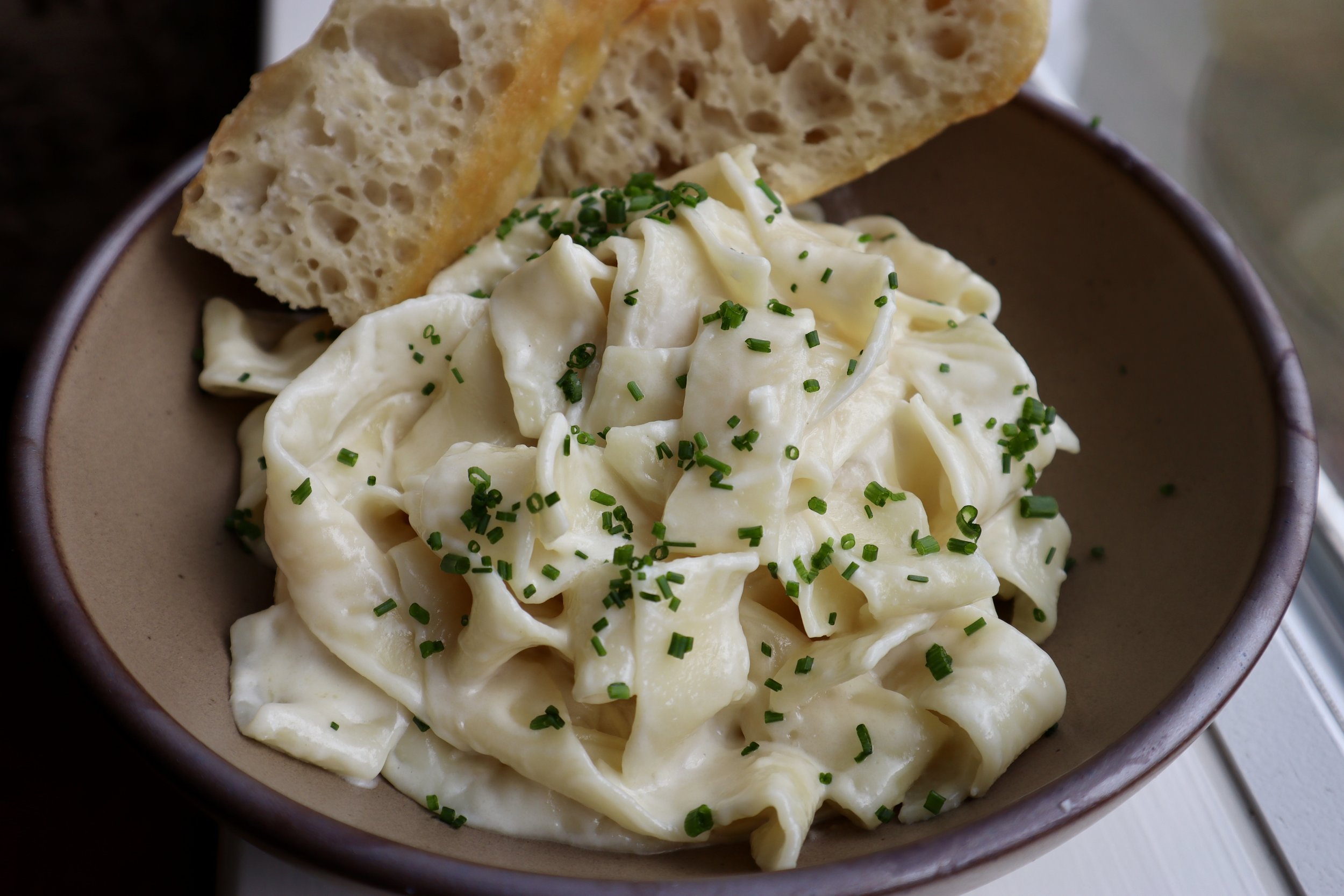
Zavagouda is typically a creamy, cheese-based pasta dish. The sauce is smooth and rich, often made with a blend of semi-soft cheese and cream. Because of its thickness, it requires noodles that can hold and carry sauce evenly.


4
A good noodle for zavagouda should:
- Have enough surface area for sauce adhesion
- Maintain structure when coated in heavy sauce
- Provide balance between chewiness and softness
- Complement, not overpower, the creamy flavor
When you understand these characteristics, the answer to what noodles do you use for zavagouda becomes much clearer.
Best Pasta Shapes for Zavagouda
Penne: The Classic Choice
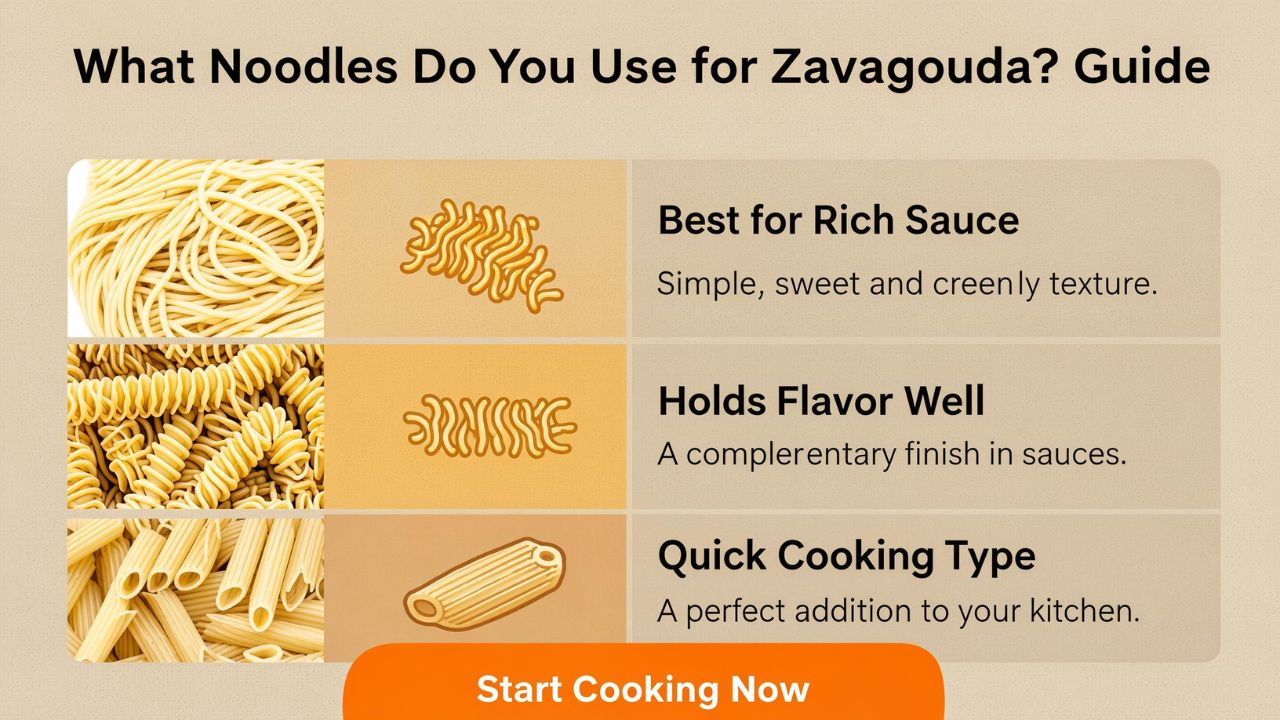
Penne is one of the most popular answers to what noodles do you use for zavagouda. Its ridges and hollow center make it ideal for thick sauces.
Why penne works:
- The tube shape traps sauce inside
- The ridges hold creamy mixtures well
- It provides a firm bite that balances softness
If you want consistent, restaurant-style results, penne is a safe and reliable option.
Rigatoni: For Extra Sauce Capture
Rigatoni is similar to penne but larger. If you love heavily coated pasta, this is a strong contender.
Because of its wide tubes and ridged exterior, rigatoni holds more sauce per piece. That makes it perfect when the zavagouda sauce is especially rich.
Fusilli: Spiral Sauce Holder
Fusilli’s twisted shape grabs onto sauce naturally. When people ask what noodles do you use for zavagouda, fusilli is often recommended for home cooks who prefer maximum flavor in every bite.


4
The grooves and curves create small pockets where sauce settles, ensuring even coverage.
Fettuccine: A Smooth Alternative
If you prefer long noodles, fettuccine can work well. Traditionally used in creamy dishes like Alfredo (see more about its history on <a href=”https://en.wikipedia.org/wiki/Fettuccine_Alfredo” target=”_blank”>Wikipedia</a>), it carries thick sauces beautifully.
However, fettuccine requires careful tossing to ensure even coating.
what noodles do you use for zavagouda for Traditional Flavor?
If you’re aiming for authenticity, stick with short, ridged pasta shapes. Historically, Mediterranean creamy dishes rely on pasta that captures sauce rather than thin strands that let it slip away.
The best traditional-style noodles include:
- Penne rigate
- Rigatoni
- Ziti
- Short fusilli
Each of these shapes supports the dense texture of zavagouda without becoming soggy.
Texture Matters: How Noodle Thickness Changes the Dish
When thinking about what noodles do you use for zavagouda, thickness is just as important as shape.
Thin Pasta
Thin pasta like spaghetti:
- May not hold thick sauce well
- Can feel overwhelmed by heavy cheese
- Requires careful draining
Medium to Thick Pasta
Medium or thick pasta:
- Supports creamy coating
- Maintains chewiness
- Enhances mouthfeel


4
For best results, medium-thick pasta is ideal when deciding what noodles do you use for zavagouda.
Fresh vs. Dried Pasta
This is another key factor in answering what noodles do you use for zavagouda.
Fresh Pasta
- Softer texture
- Cooks quickly
- Absorbs sauce easily
Dried Pasta
- Firmer bite
- Holds shape better
- More forgiving during cooking
For beginners, dried pasta is often easier to manage. If you’re experienced, fresh pasta adds a delicate texture.
For a helpful visual guide on pasta types and cooking differences, you can also explore tutorials on <a href=”https://www.youtube.com” target=”_blank”>YouTube</a>.
Cooking Tips for Perfect Zavagouda Noodles
Once you’ve chosen the right pasta, execution matters.
- Salt the water generously.
- Cook pasta until al dente.
- Reserve some pasta water before draining.
- Toss noodles directly in sauce.
- Add pasta water gradually to adjust consistency.
These steps ensure your final dish isn’t dry or overly thick.
Common Mistakes to Avoid
Even if you know what noodles do you use for zavagouda, mistakes can happen.
Avoid:
- Overcooking pasta
- Using very thin noodles
- Adding sauce to drained pasta without tossing
- Skipping pasta water
Small adjustments make a big difference in texture.
Flavor Pairings That Complement the Right Noodles
Choosing what noodles do you use for zavagouda also influences how additional ingredients behave.
Short pasta pairs well with:
- Roasted vegetables
- Grilled chicken
- Spinach
- Mushrooms
- Fresh herbs
The noodle structure helps distribute these ingredients evenly.
FAQ
What noodles do you use for zavagouda most commonly?
Penne and rigatoni are the most common choices because they hold creamy sauce well.
Can I use spaghetti instead?
You can, but it won’t hold thick sauce as effectively as short, ridged pasta.
Is fresh pasta better for zavagouda?
Fresh pasta gives a softer texture, but dried pasta holds structure better.
Does gluten-free pasta work?
Yes, but choose sturdy shapes like gluten-free penne for best results.
Should I rinse the pasta?
No. Rinsing removes starch that helps sauce stick.
Can I make zavagouda with egg noodles?
Egg noodles are softer and may work, but they won’t provide the same firm bite.
What’s the best thickness level?
Medium to thick pasta shapes perform best with creamy sauces.
How do I prevent clumping?
Toss pasta immediately with sauce and add reserved pasta water.
Conclusion
Choosing the right pasta is the secret to mastering zavagouda. When deciding what noodles do you use for zavagouda, focus on short, ridged shapes like penne or rigatoni. They capture sauce beautifully and provide balanced texture in every bite.
With proper cooking technique and thoughtful noodle selection, your zavagouda will turn out creamy, flavorful, and satisfying every time.